

Hopefully we can afford it, and we’ll go through that now. Not too expensive.
Thank you so much for the introduction and thank you so much everybody for having me today. It’s been a real pleasure to be in Rennes and very exciting too. A lot of stories to come from it.
So the topic of today’s lecture is that building beautiful cities is a choice. But, but more than that, it’s a choice that we can afford and perhaps by the end, it’s a choice that I don’t think we can’t afford not to make.
So everything that you see around you, including in this room, from the chairs and the ceilings to the walls, to the clock right here, is a result of a deliberate choice that somebody has made.
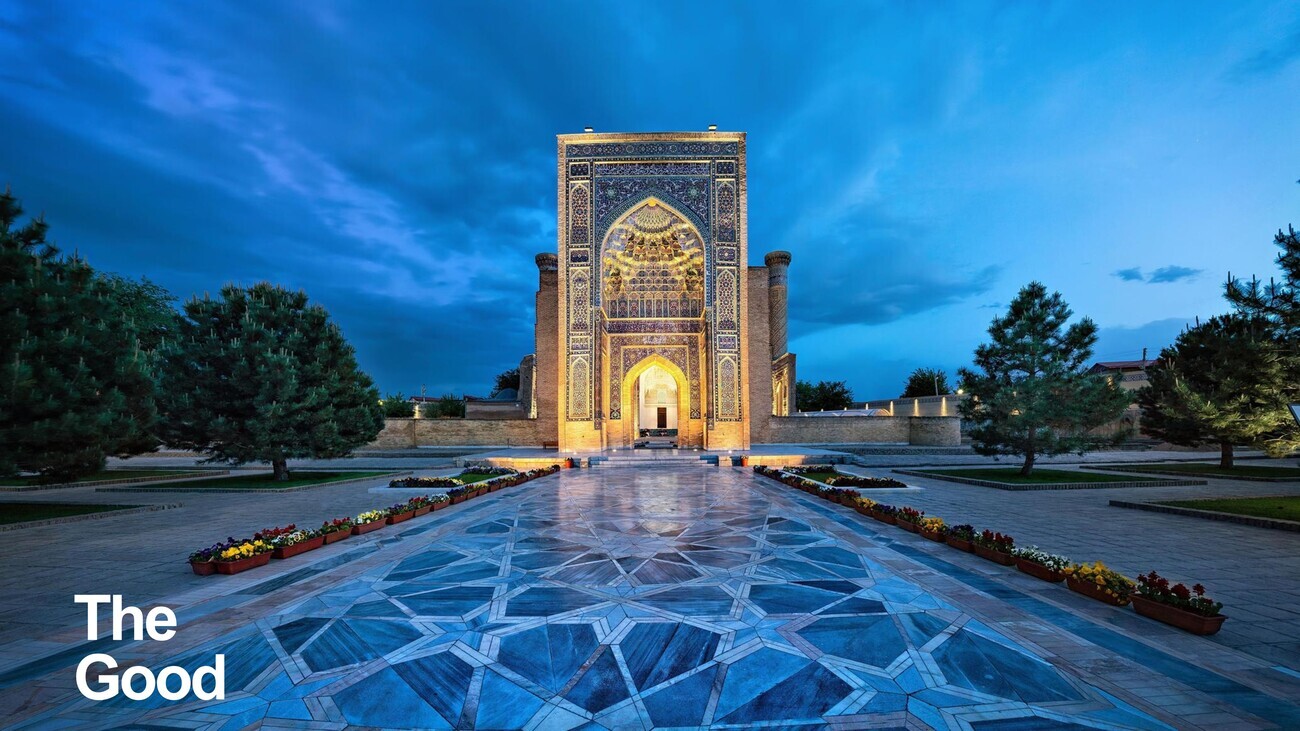
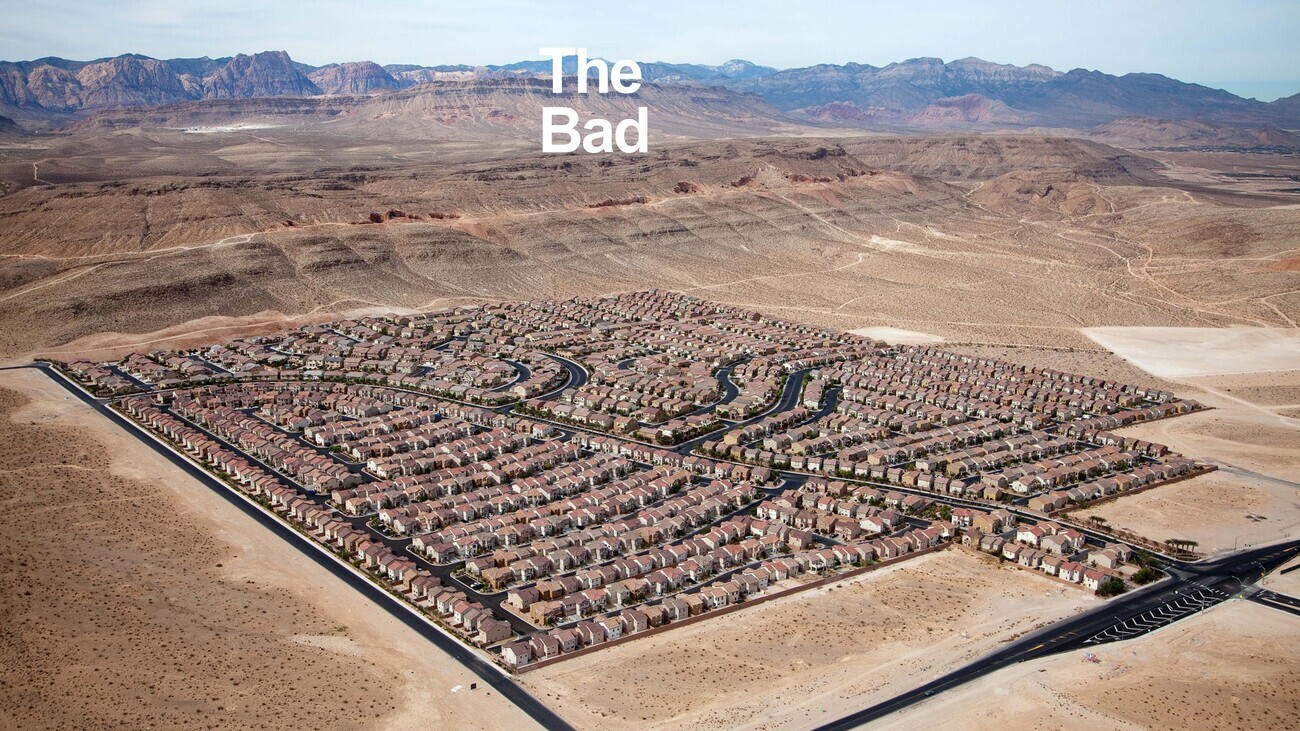
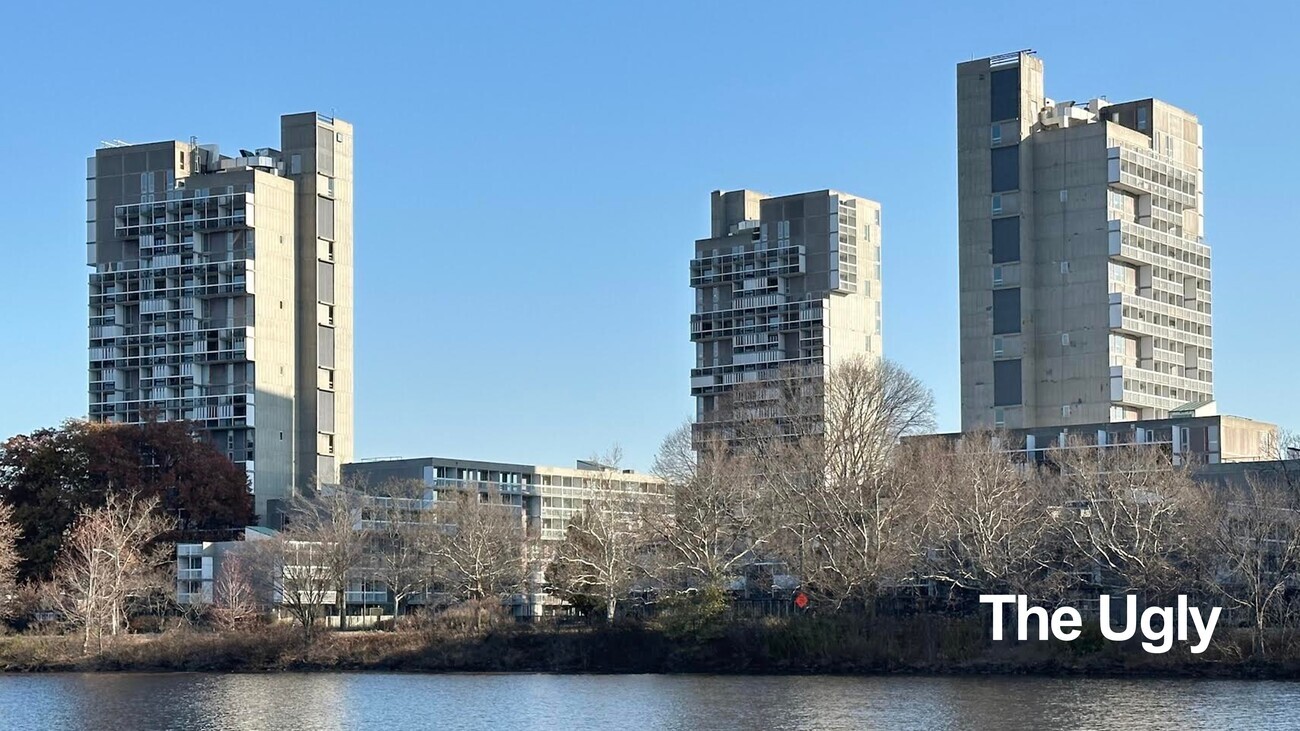
The good, the bad (and this is quite bad, but unfortunately, it’s quite common in my country), the ugly, the strange, and the weird.
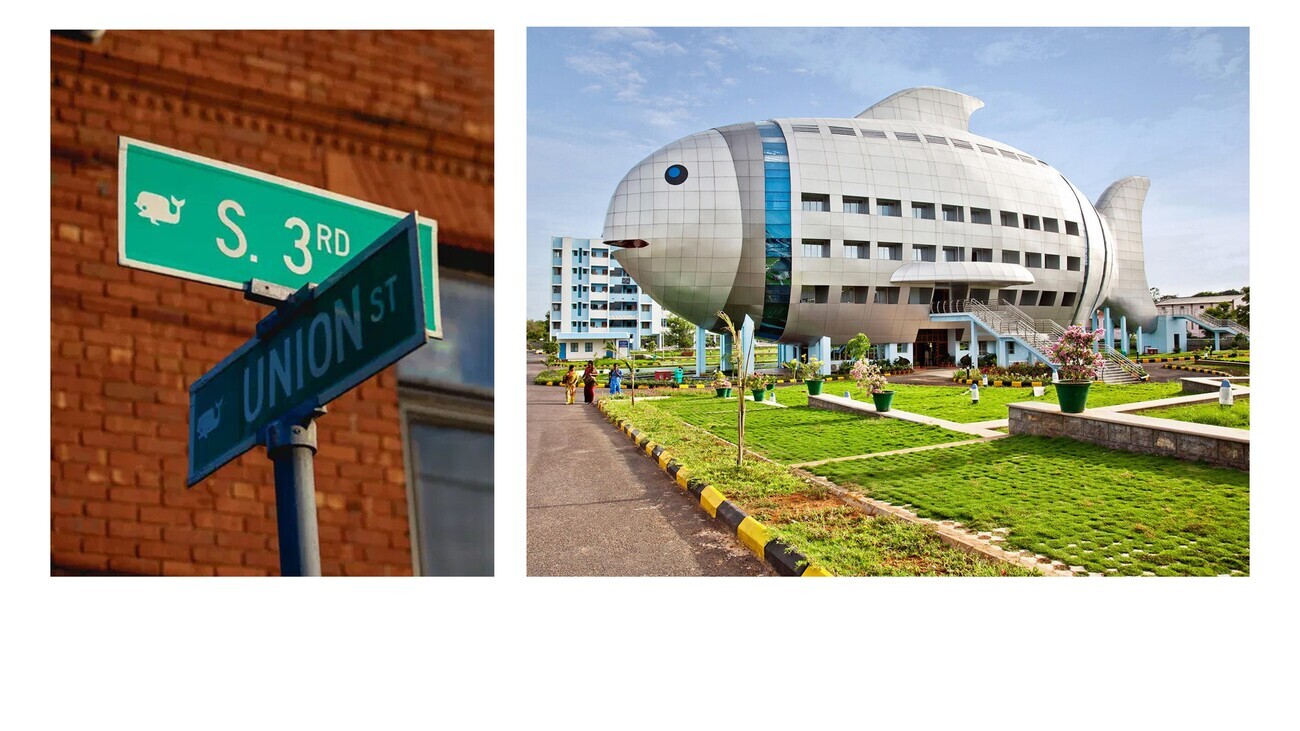
We have everything, from the buildings that look like fish, to street signs that have fish on them. So this is either very exciting or dreadful depending on who you are. I’m the sort of person who finds it exciting that we can build buildings that look like fish, or whatever else you want them to look like, and I hope after this you guys will have some of that excitement as well.


Importantly, and I have to say this as an American, our choices aren’t limited by culture, technical abilities, or even resources. We know this all around the world. There are many wonderful places that have been built over the last several centuries. I’ve managed to get nearly every continent up here. Sorry if there are any Australian or oceanic people in the crowd. I didn’t manage to get any buildings from Oceania, but there are many wonderful ones as well.
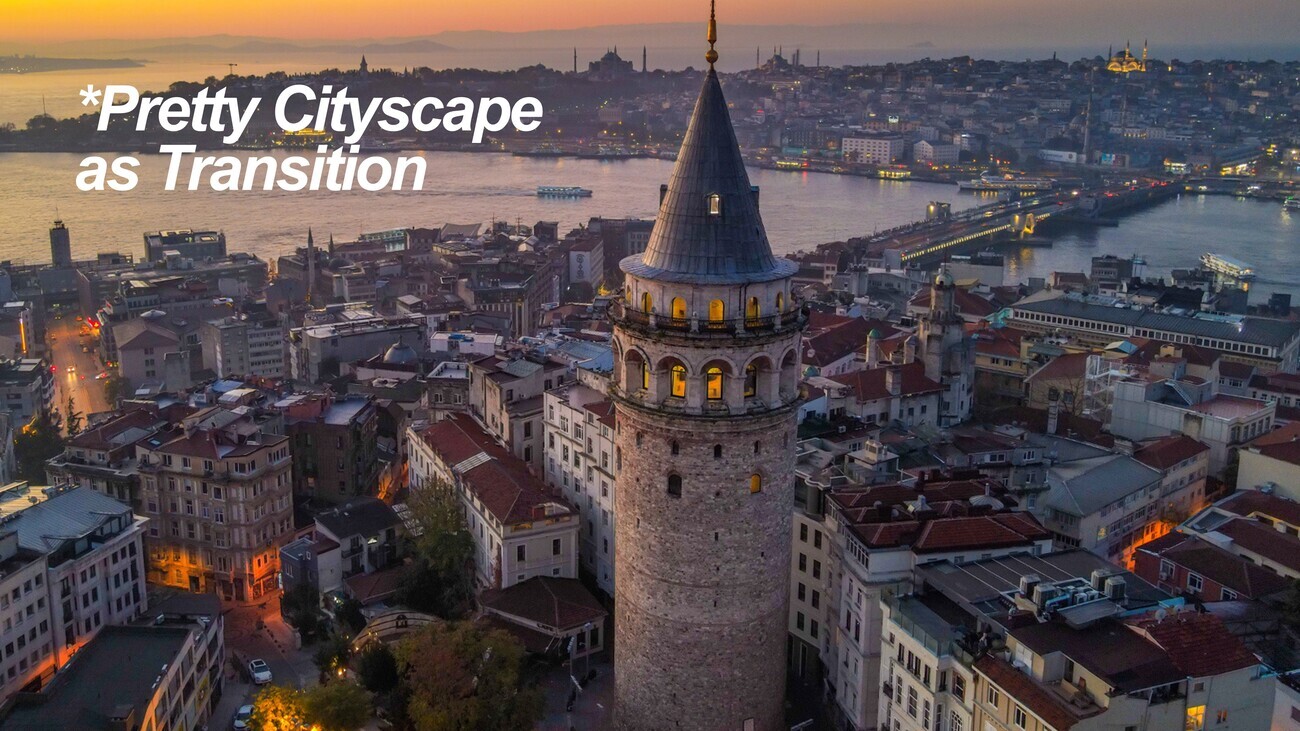
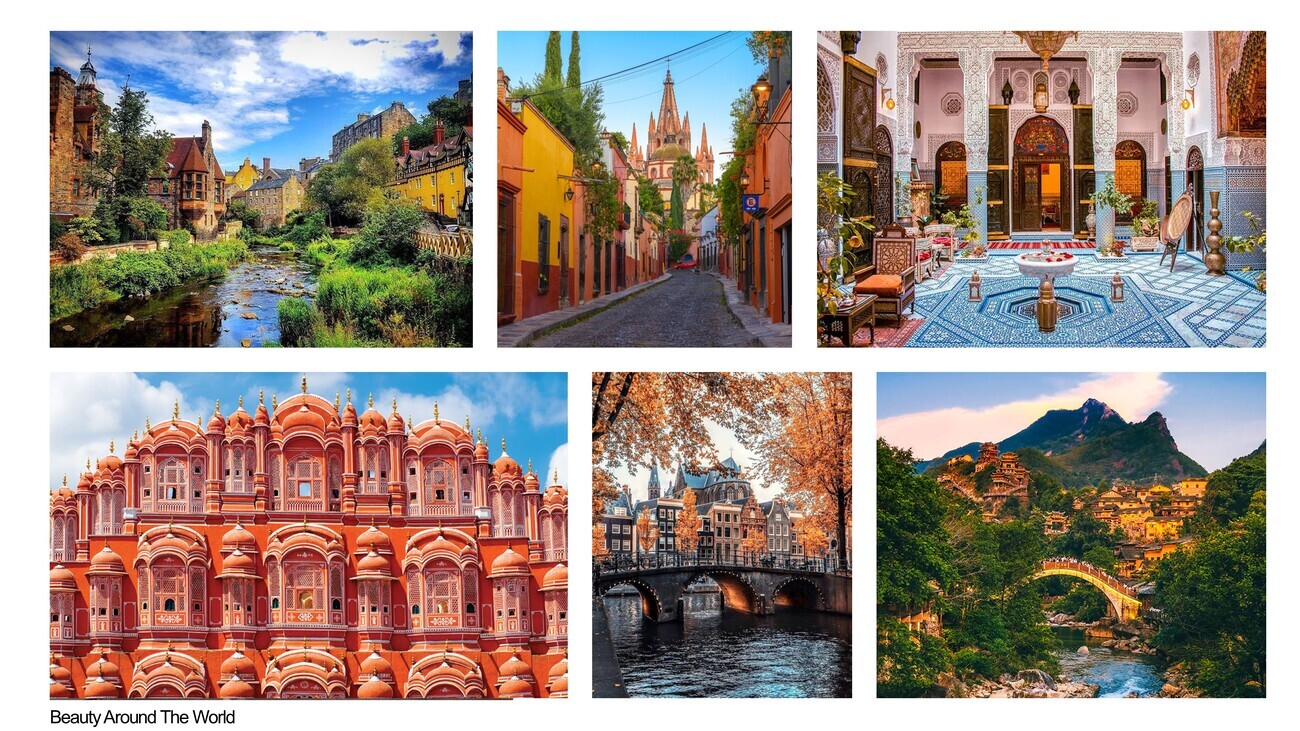

And even us Americans can do it! As vulgar Americans, we’ve built these all in the last 10 to 15 years, and it’s worth calling out just a couple of these structures.
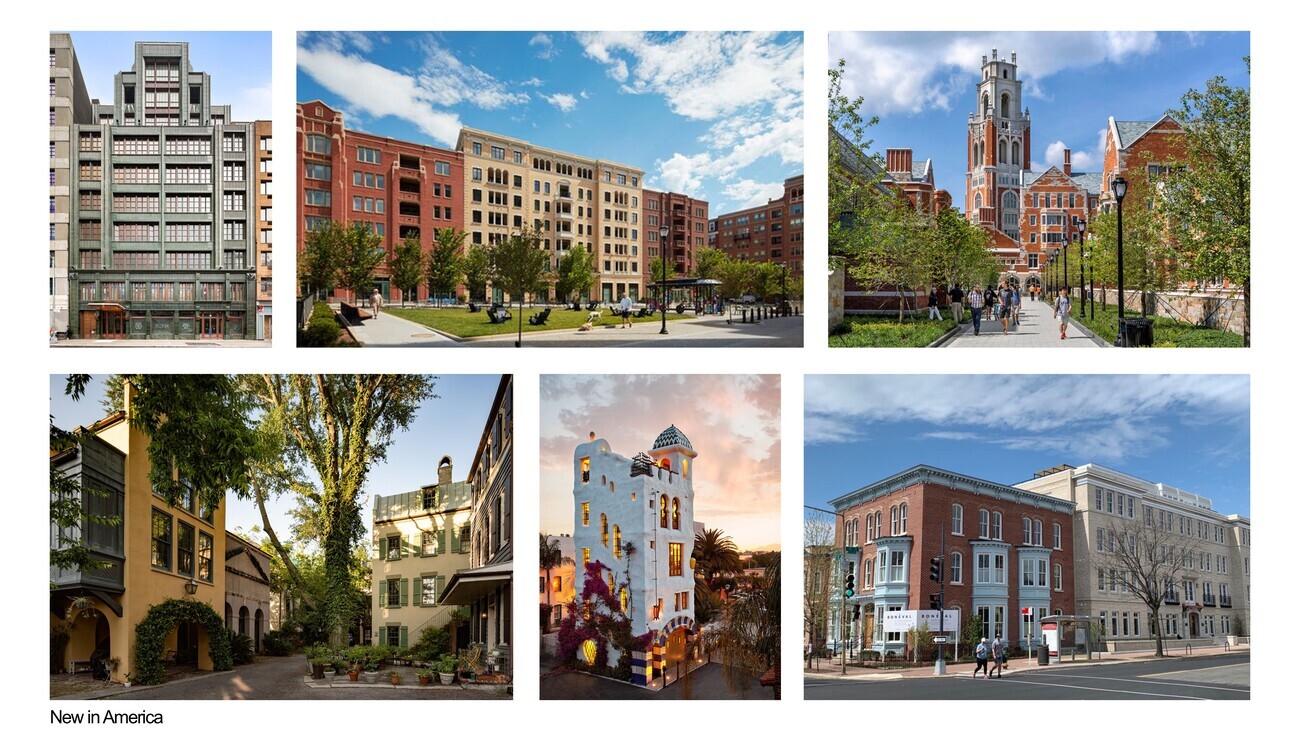
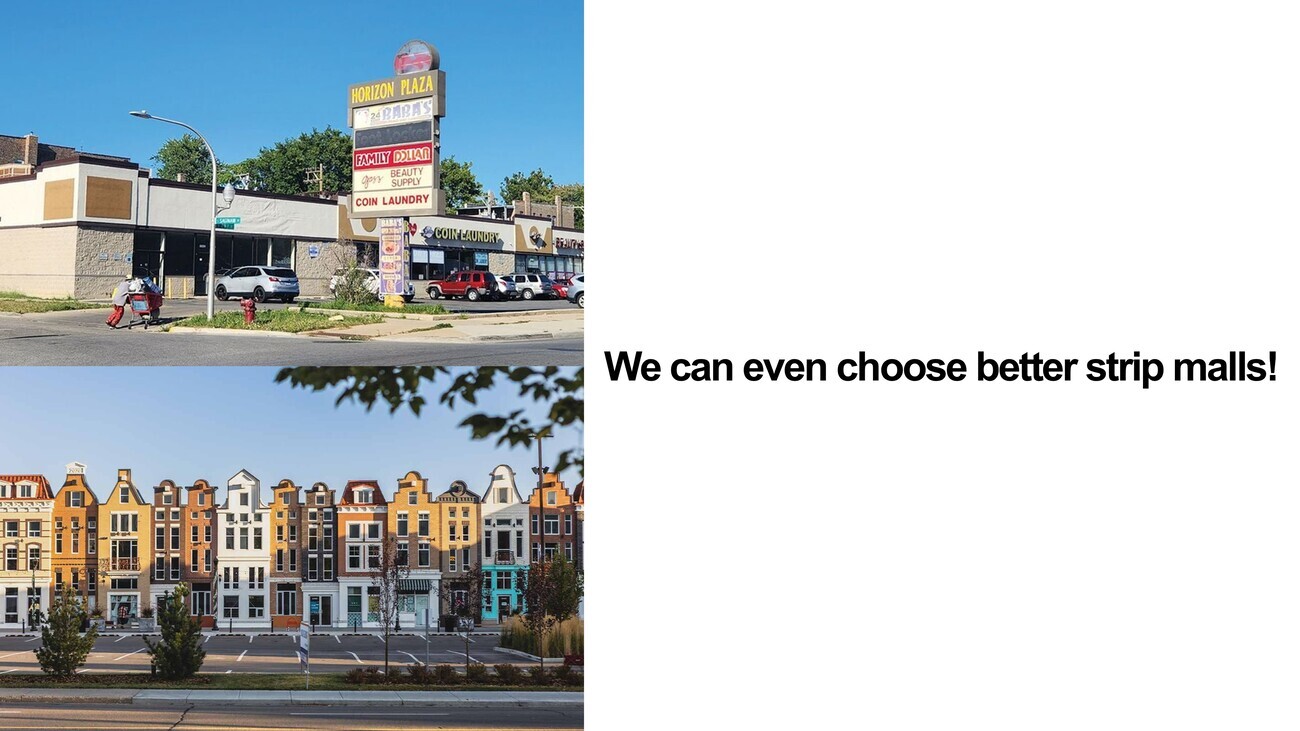
We have a new residential college at Yale on the top right. We have infill housing what we would call in the middle and the bottom right. And we have single-family homes on the bottom middle and the bottom left. These are two of the most extraordinary projects anywhere in North America. The project in the middle is by an architect called Jeff Shelton, who I think is one of the most excellent practicing architects in America today. And that was built on the space of two parking spaces. So you can take 300 square feet, 400 square feet, a postage stamp, and create something that wonderful. And we can even choose to build better strip malls—again, very American. We don’t have to default to the status quo. We can build stuff that looks like maybe it’s a little too twee as a picturesque Dutch village, but it can be quite wonderful.
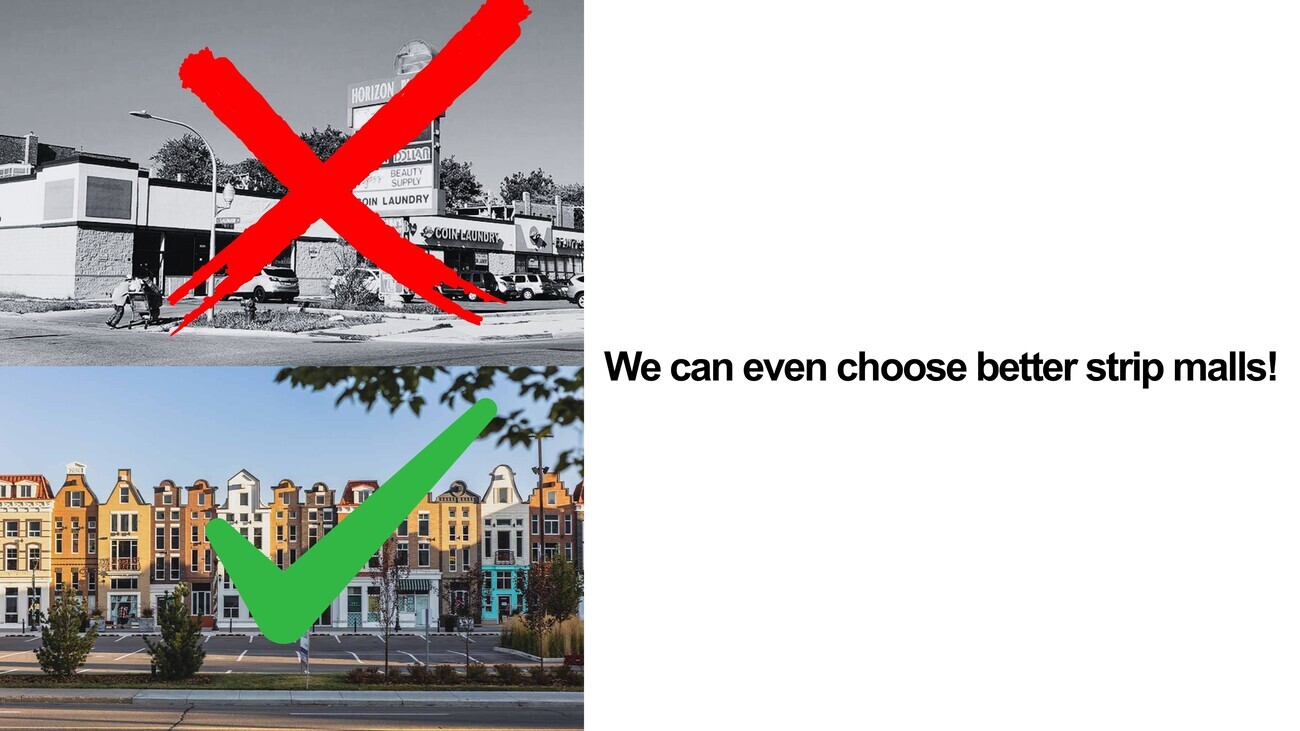
But in order to bring this world about, we need to make a choice. Beauty must be perceived as a virtue and a virtue that’s worthy of obsessive pursuit. It doesn’t happen spontaneously, and we can’t build it if we don’t value it.
But that’s not the topic of this lecture because I think all of us in this room appreciate beauty, whether it’s a beautiful city, a beautiful building, a beautiful chair, or a beautiful meal. It’s not enough. The main question is can we afford it, which is often what gets posed at me as some romantic developer. Hopefully, I have some of the math to back up that we can in fact do this.
So Optimism, which is sort of this worldview that I’ve put together around building beautiful places that are financially possible, is focused on foundations and then replications. So, can we get the foundation right and then can we replicate it?
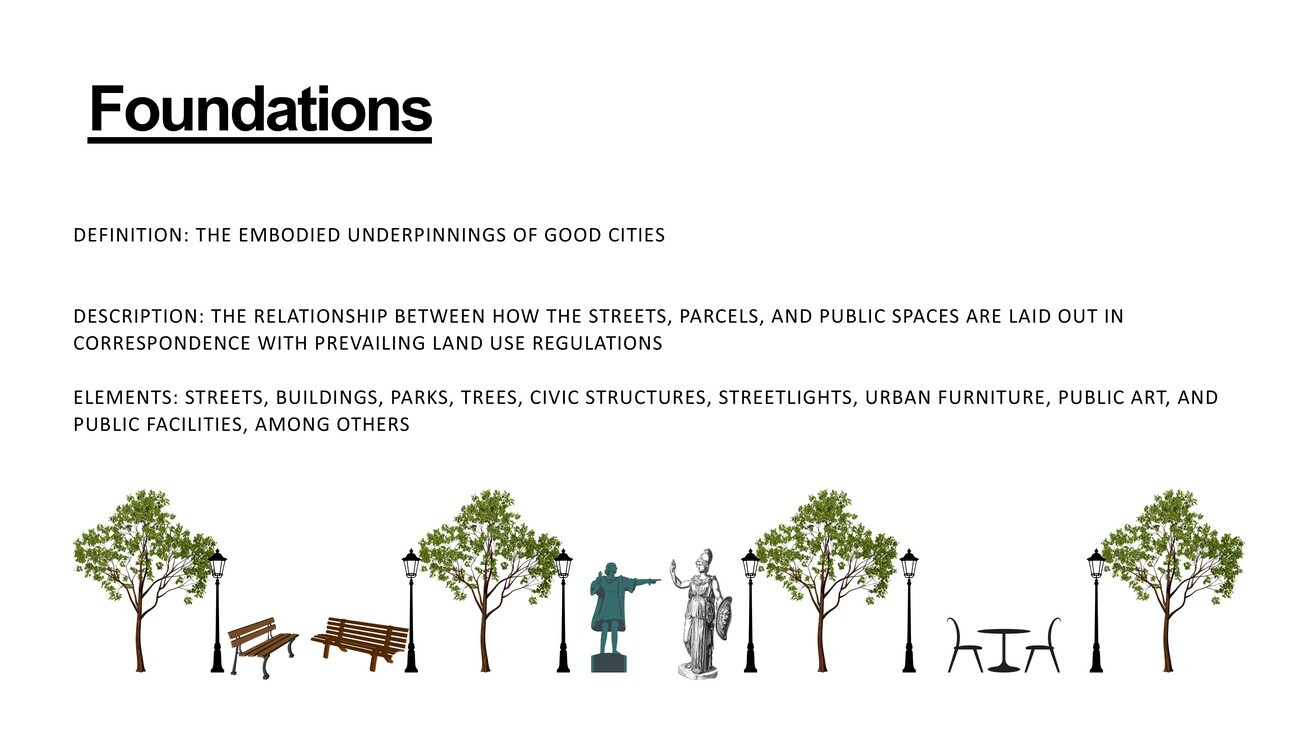
So most of what we consider to be expensive or attractive has very little to do with cost. It has everything to do with the foundations, and I will qualify: I’m an urban planner by training so everything to me looks like an urban planning problem and not an architecture problem. But with that out of the way, I think if we get this right, 80% or 85% of what we perceive as beautiful in the built environment will be covered.
So here are some images of what I mean when I talk about foundations. I don’t really need to teach this to the French or Europeans in the crowd because you guys do this very well. The streets are narrow, they’re intimate. You have wonderful urban furniture. You have, well, maybe street trees—it’s the only thing I wish I’d see a little bit more of in French and European cities. But on the whole, you guys get these things quite well.
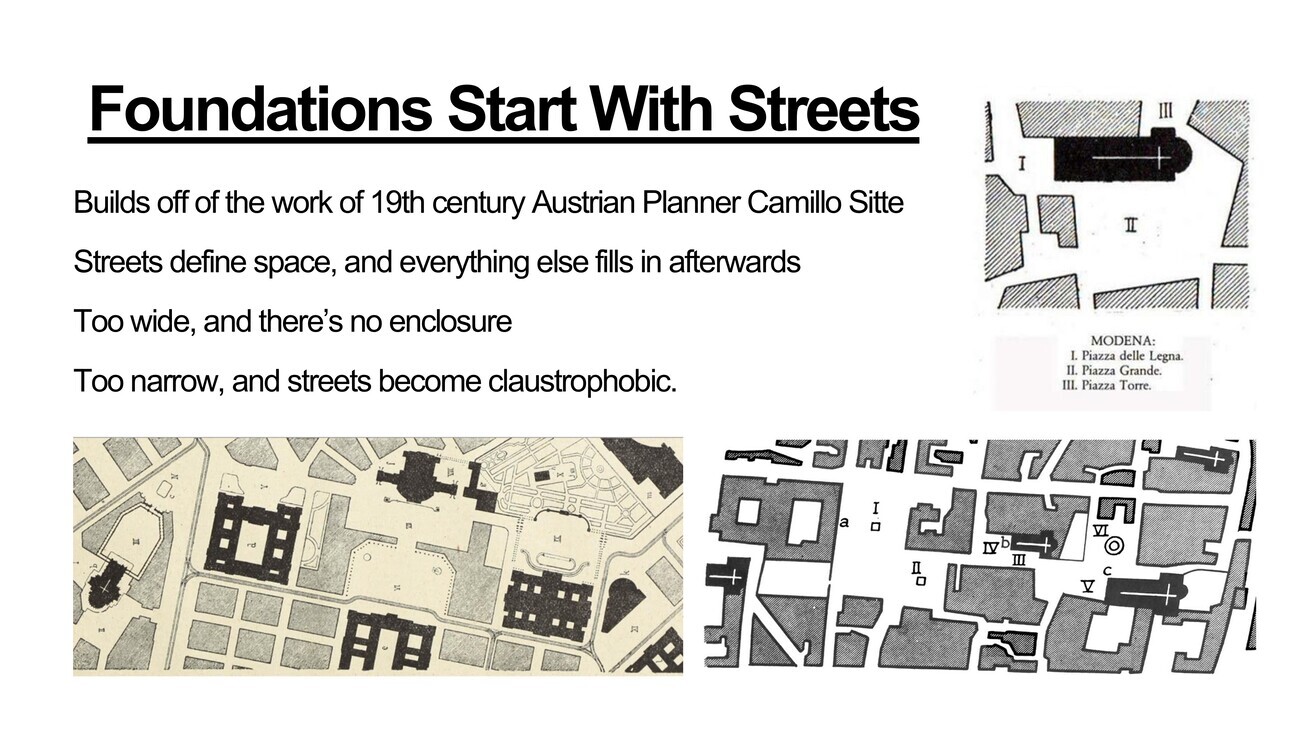
Some of you in the room may be familiar with the 19th century urban planner Camillo Sitte, the Austrian planner who had this theory of design that it was the streets and the public realm that shaped buildings and not the other way around. And these are some sketches or drawings rather than engravings that he used to set forth this point. And I use this image just to show that it’s much more important the surroundings that we find ourselves in than individual buildings as a jewel box maybe or a look-at-me showpiece building or a piece of architecture.
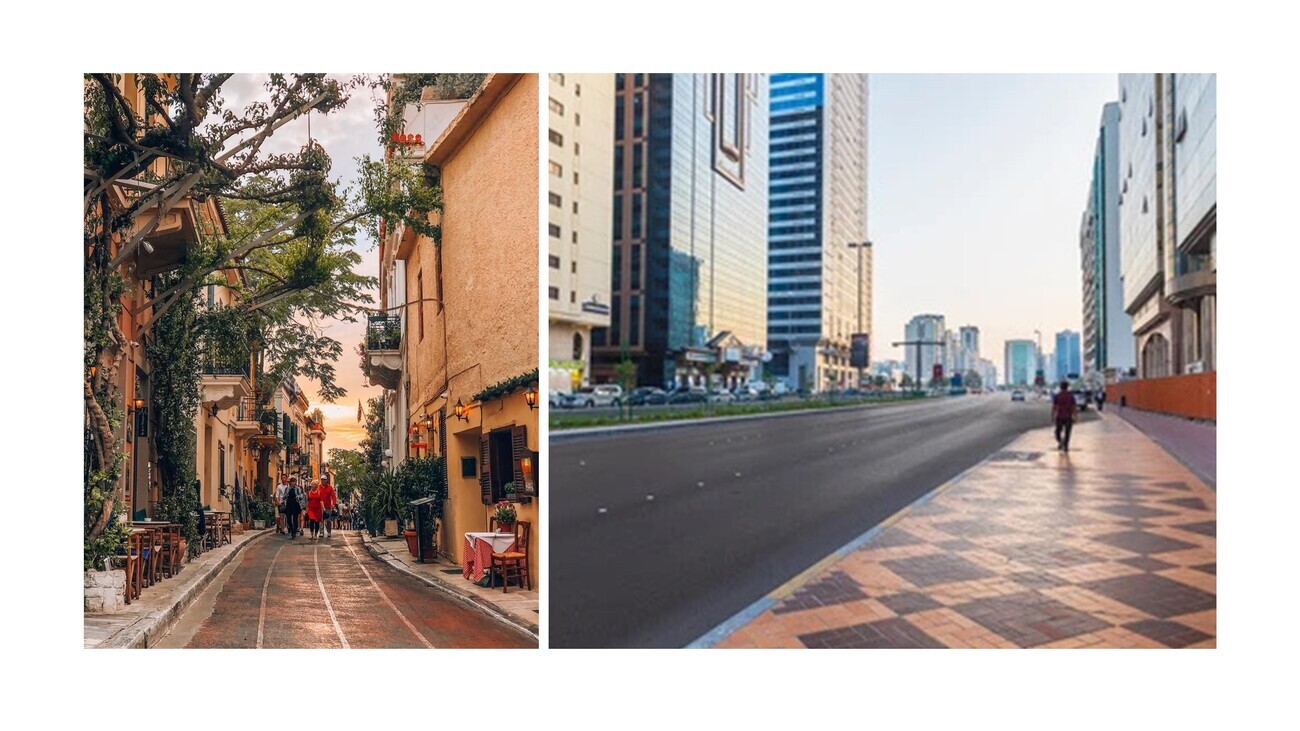
And in order to represent that, I have this juxtaposition. Here on the left, we have what would be perceived as on this continent a lovely, but a pretty generic street. In America, it would classify as one of the best streets in the country, probably one of the 15 best. And on the right is the ground level of a city that is heralded for architecture. Does anybody know what city this is when you’re not looking at the skyline? You can shout it out if anybody has a guess. Anybody know? Brasilia, could guess. No, but it’s similar philosophy. Could be Vegas. I mean, it could be any of these places, right? This is Dubai. This is the view they never show you of Dubai. It is the ground level where nobody wants to spend much time. You’re on subways. You’re in hypercars. You’re looking upwards. You’re never looking down and that’s the way they want it for a reason.
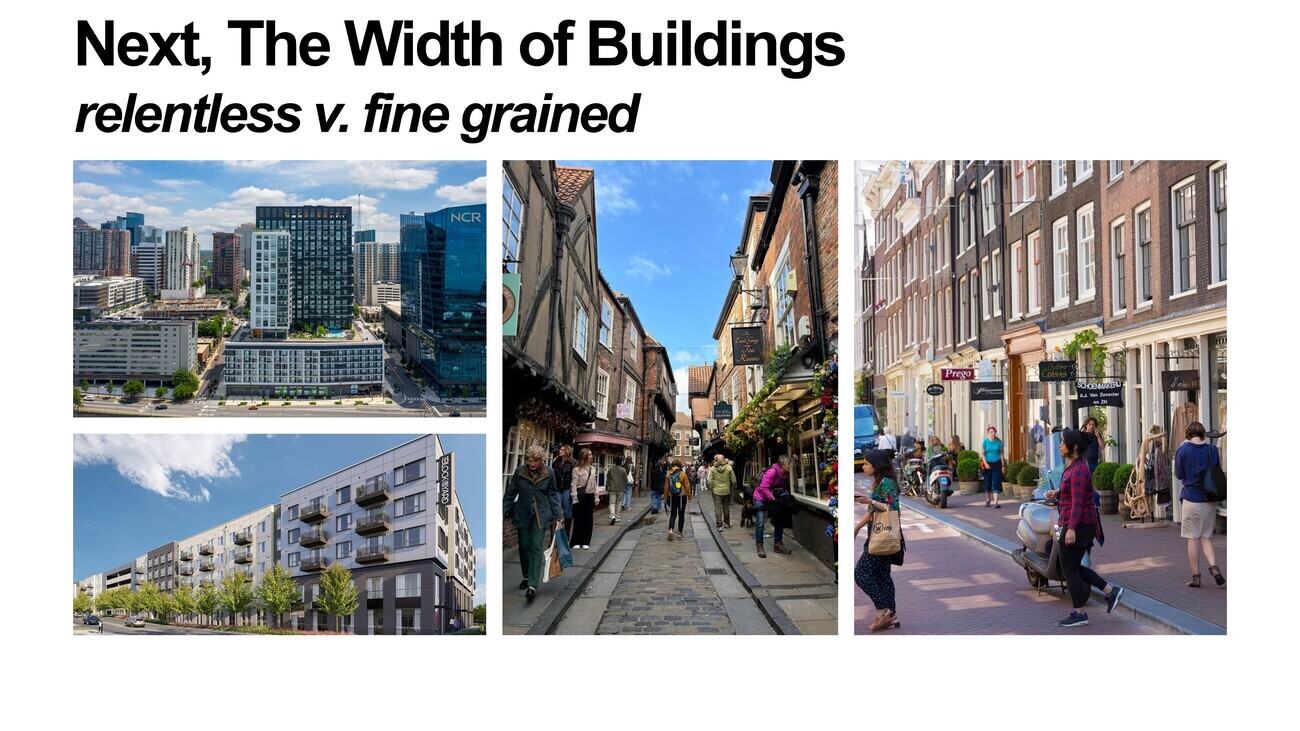
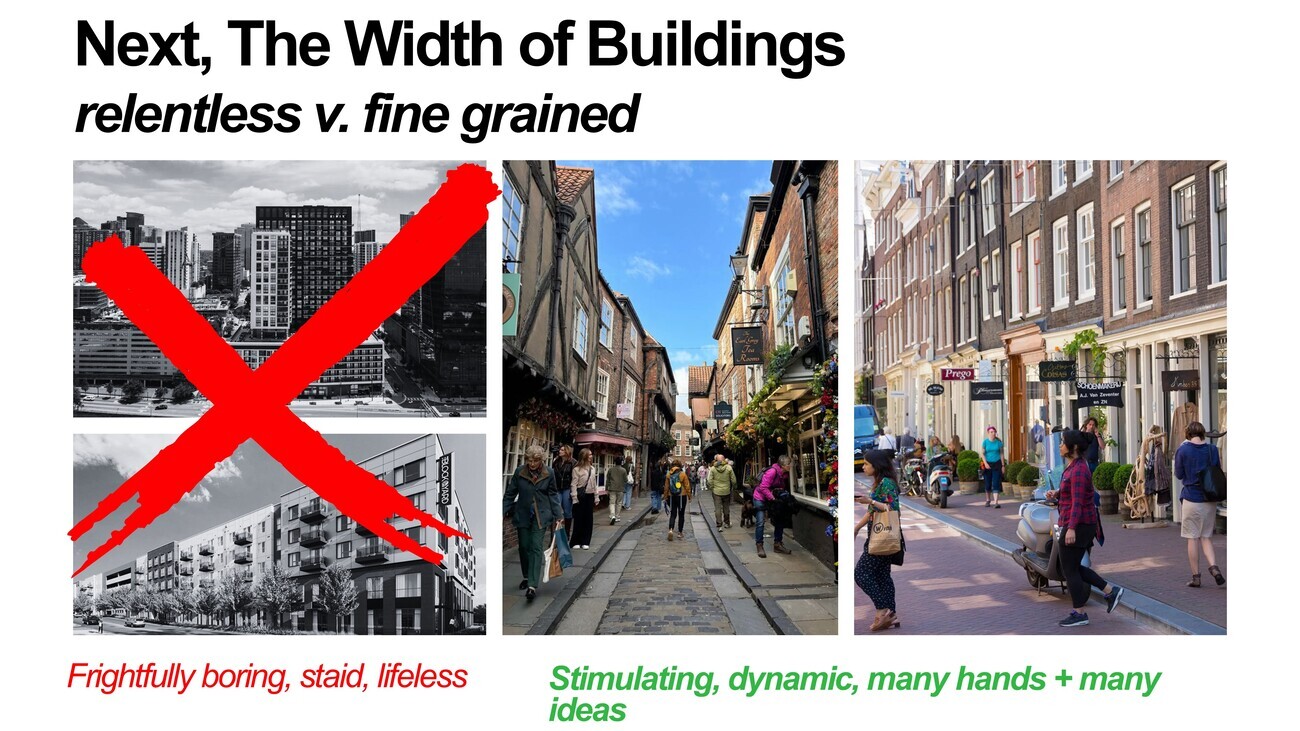
So once we get those foundations right, we need to think about the grain of a city as urban planners. We’d love to talk about the width or interfaces between structures, the right-of-way, and how wide these buildings are. We have a ton of structures that are really quite wide and quite imposing, even relentless in the North American context, and the architecture is really poor, of course. But I think what’s doing most of the work here is that they go on forever. They’re sort of oppressive. And if they were 20 feet wide, 30 feet wide, the quality of the architecture would not impact us nearly as much. Now of course, we have beautiful streets here in York and in Amsterdam. But I think far more of the reason why we like these streets is because they get the small things, right? This is boring, stayed, lifeless. There’s nobody on the streets. And on the right, I didn’t just selectively choose these pictures at an opportune time. They’re wonderful and they’re vibrant.
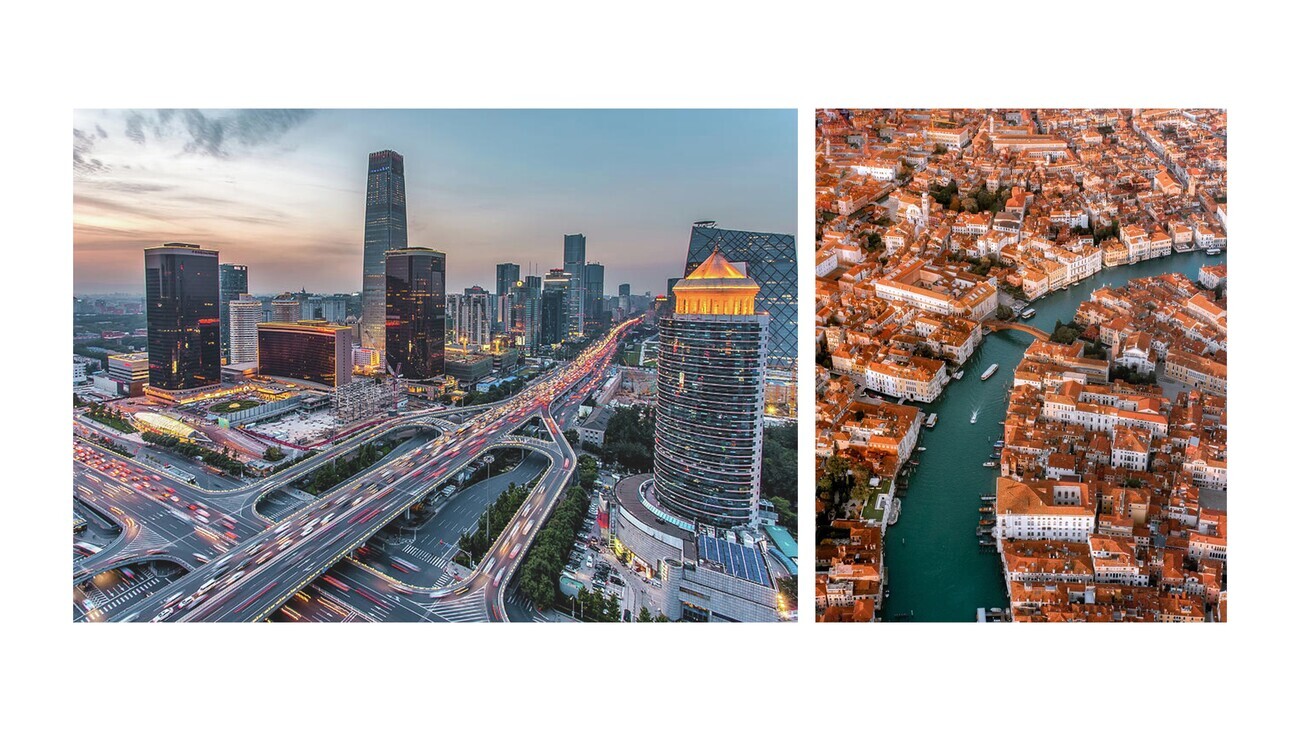
This is another version of that dichotomy. This on the left, I believe is Beijing though I could be wrong, and it’s a city that’s invested tens to hundreds of billions of dollars in its built environment. But it’s a place where one could scarcely recall any notable landmarks. Maybe you have the Bird’s Nest and you have the CCP headquarters. But it’s really a city that’s rather unremarkable as opposed to somewhere like Venice in a far smaller built area that packs much higher punch.
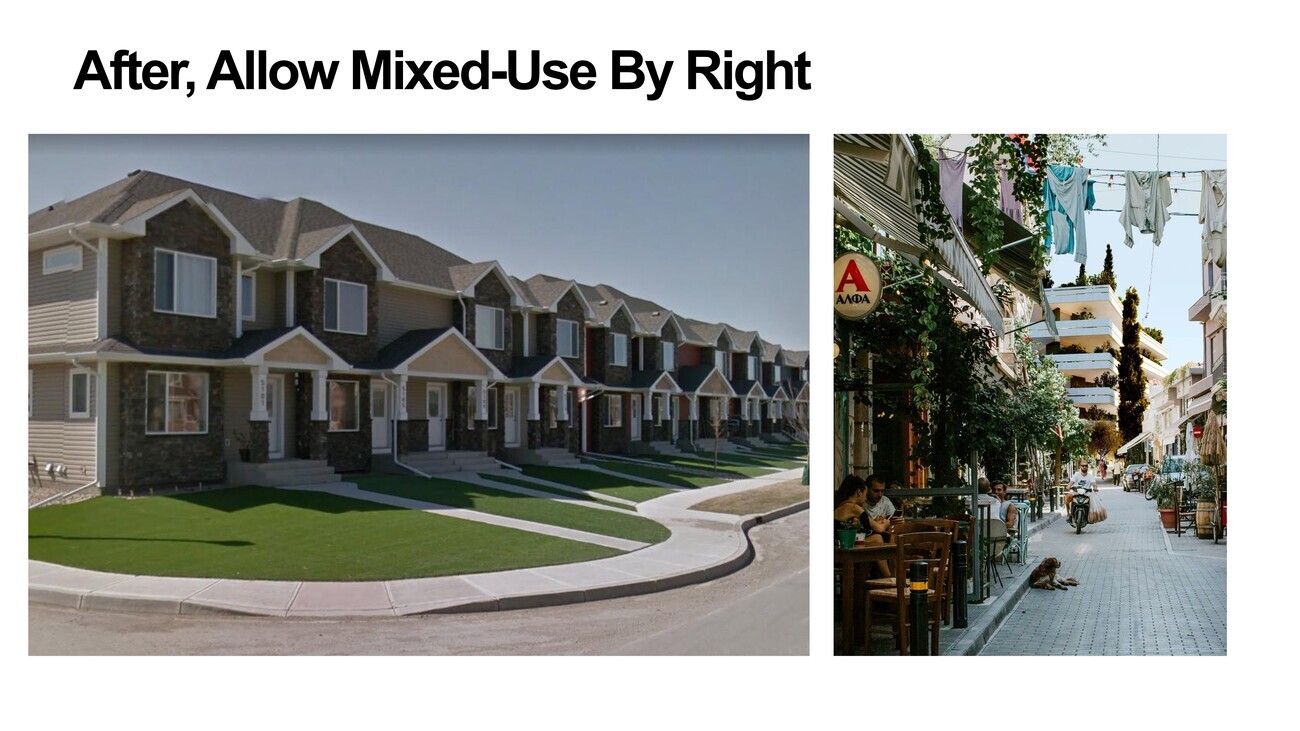
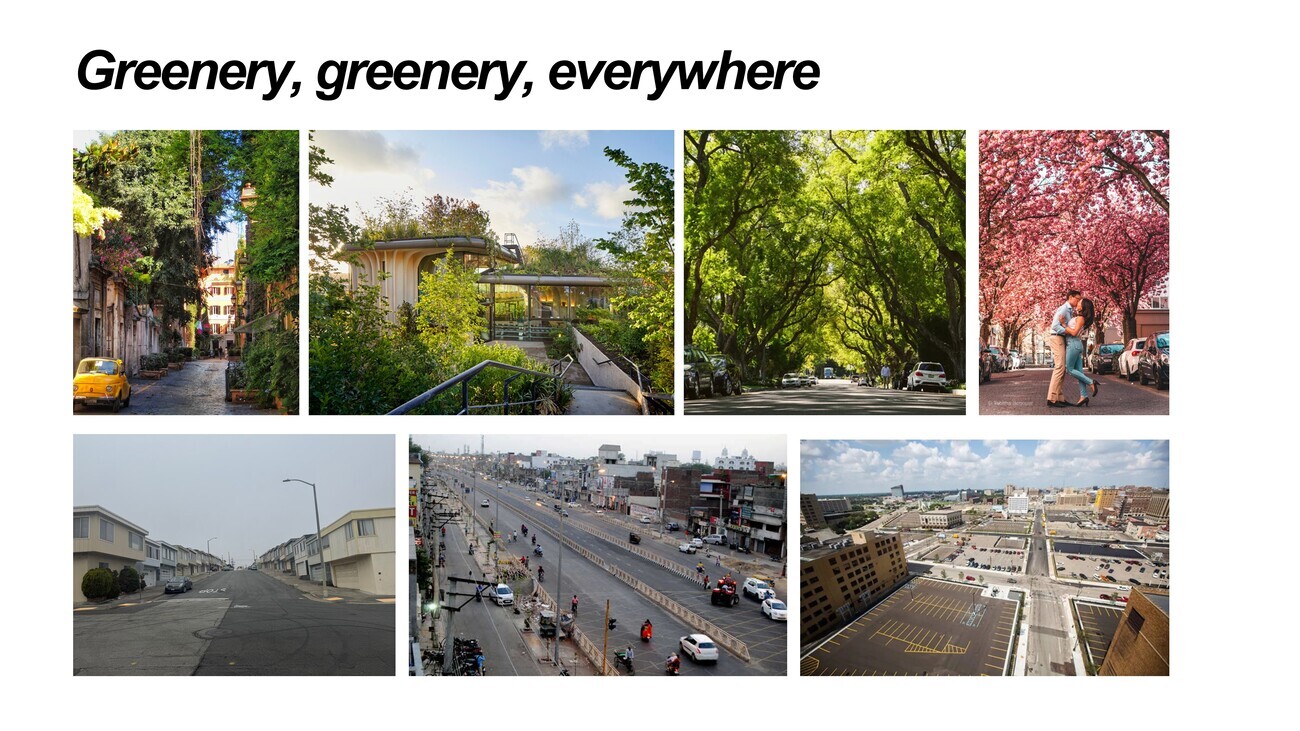
After this, again, we won’t dwell on this too long. Attractive cities, beautiful cities. We have mixed-use. American cities do not get this, right? Greenery, greenery, greenery everywhere, and even pinkery.
So in the picture on the top right, look at that couple. They love it, they’re having a great time, and they’re not doing that in the parking lot and on the bottom images, right? So we have to think to ourselves. Why are they kissing in that canopée and not in the parking lot? Maybe they are, but let’s not make that joke here. And so greenery, I think should be our default.
So as a developer and as a planner – I try to take both of those hats on and off – none of these things that I’ve shown really cost all that much more money. Sure, planting a couple of trees has some input costs. They have some maintenance costs. I’m not ignorant of that. But all these things have more to do with the fabric of a city without the construction of it. The buildings, the urban design, the greenery comes afterwards, and yet they are incredibly value-accretive in a way that I think surprises people: at least increased sales taxes, increased prosperity, increased productivity, and it might increase the fertility rate if we have enough people that are kissing in those trees.
But you’ll notice when we traditionally talk about aesthetics in architecture, decoration or ornament is raised, and I’ve not done any of that so far purposefully. These things only come after we get the foundation of cities, right? We can afford great urbanism because it doesn’t cost that much. Architecture on the other hand, comes after.
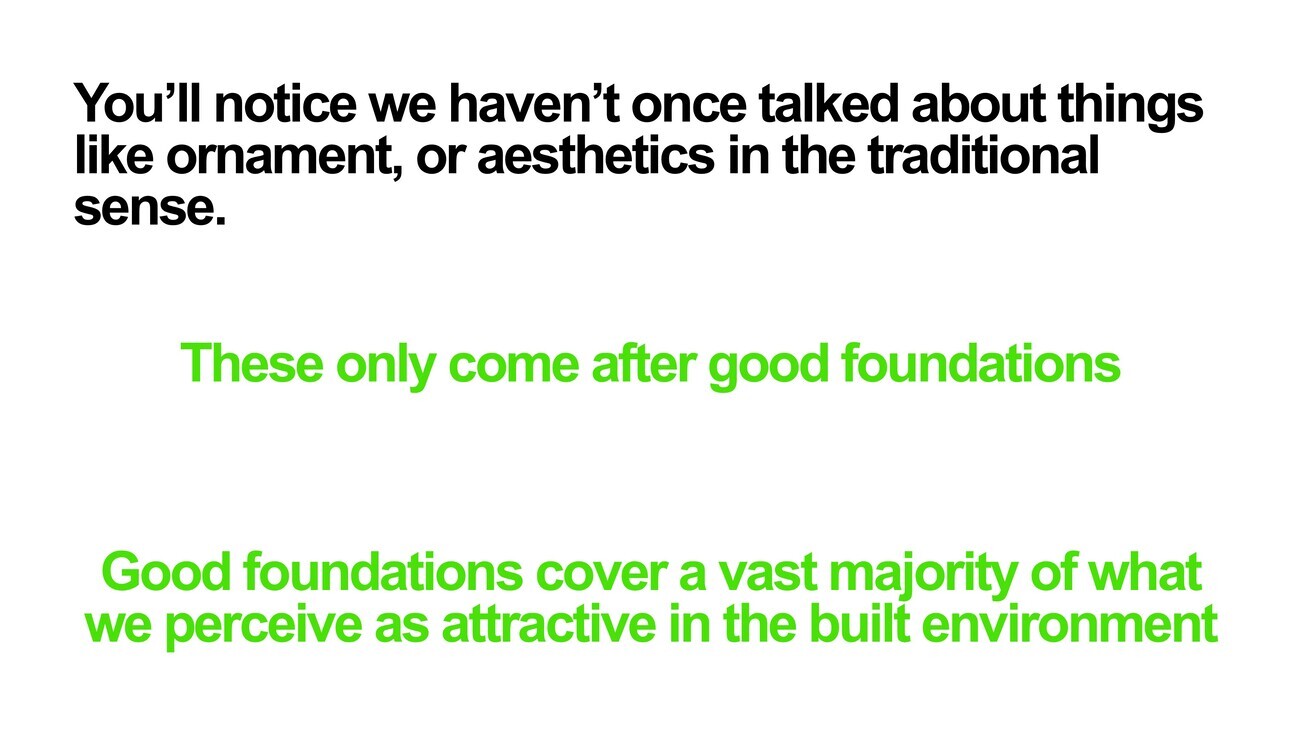
These are two really wonderful street scenes, one in Kyoto on the left, and the right I believe is Ho Chi Minh City. The individual buildings are not good. I mean, there’s some interesting roof orientation in the image on the left, but a lot of the work is coming from the trees. It’s coming from the fine grain. It’s coming from the street width. That’s what leads to attractiveness in cities, and we can do that today.
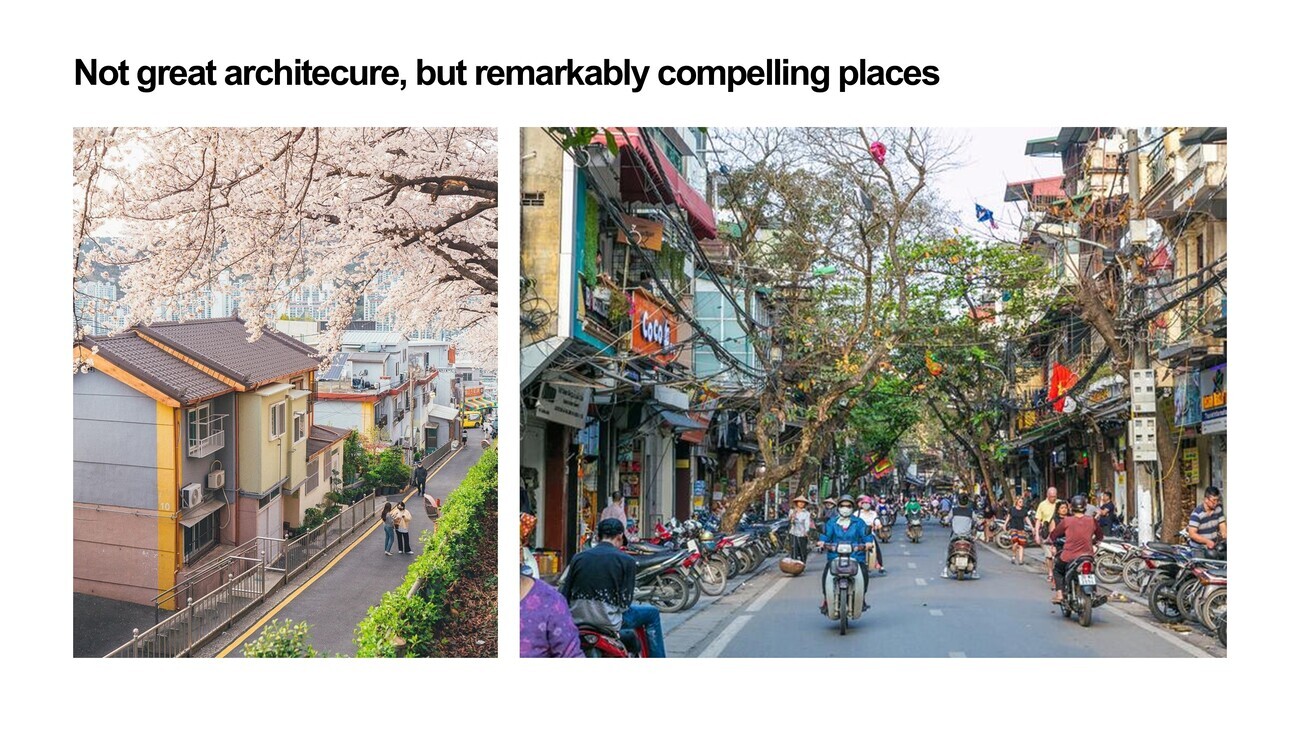
Again, these buildings are not very good. But when you add that last 20%, and I believe Samuel Hughes and I both have pictures of Rothenburg in here, it becomes sublime.
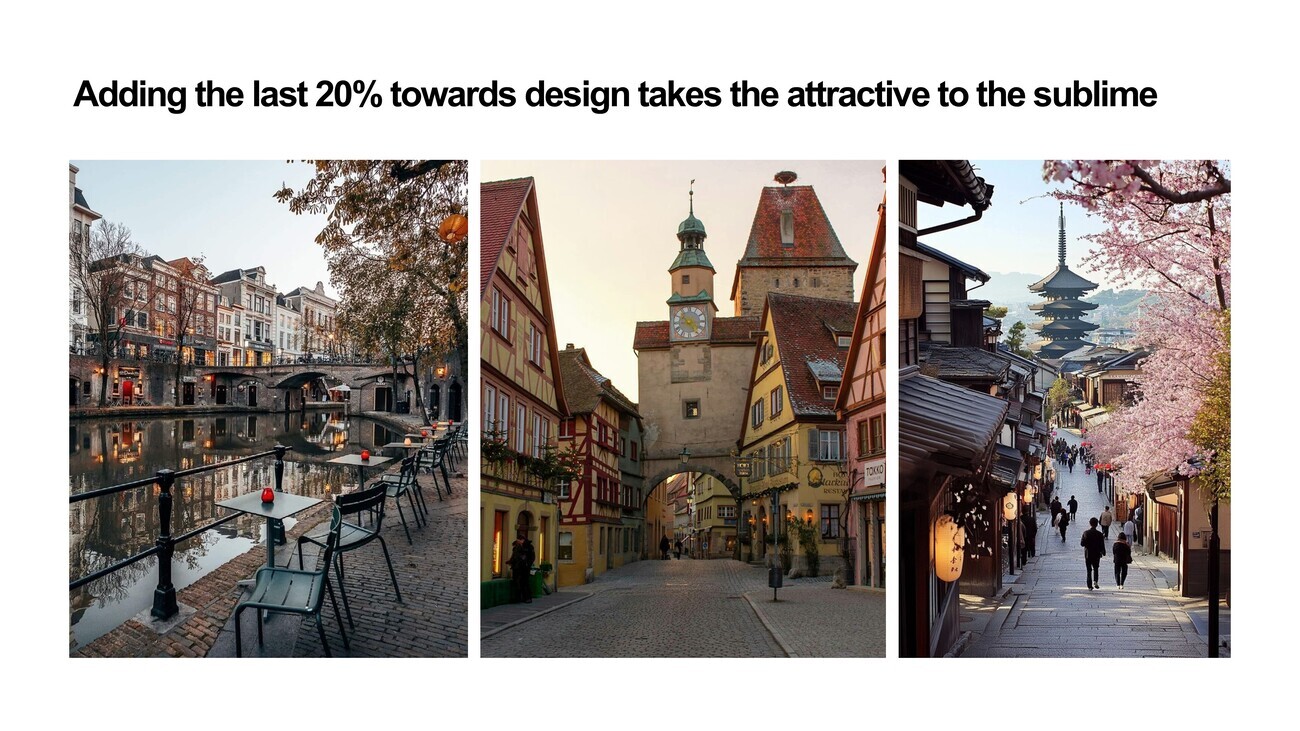
You have places like Amsterdam, Kyoto, Rothenburg, like the historic core of Rennes which are amongst humanity’s greatest contributions to the world’s-built environment. It’s a remarkable achievement… a gift, really, that we’ve given to the world. You can get places like this and then replicate it and so on and so forth and you can carry this across a continent.
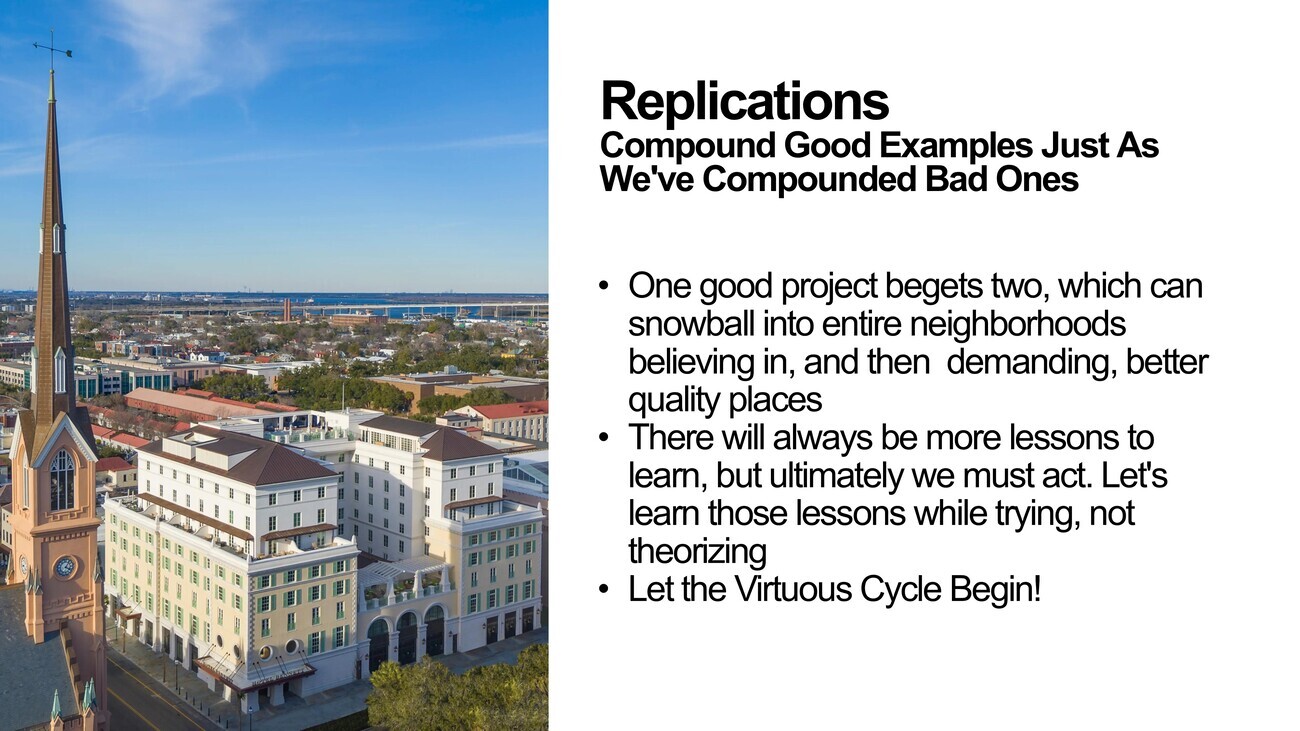
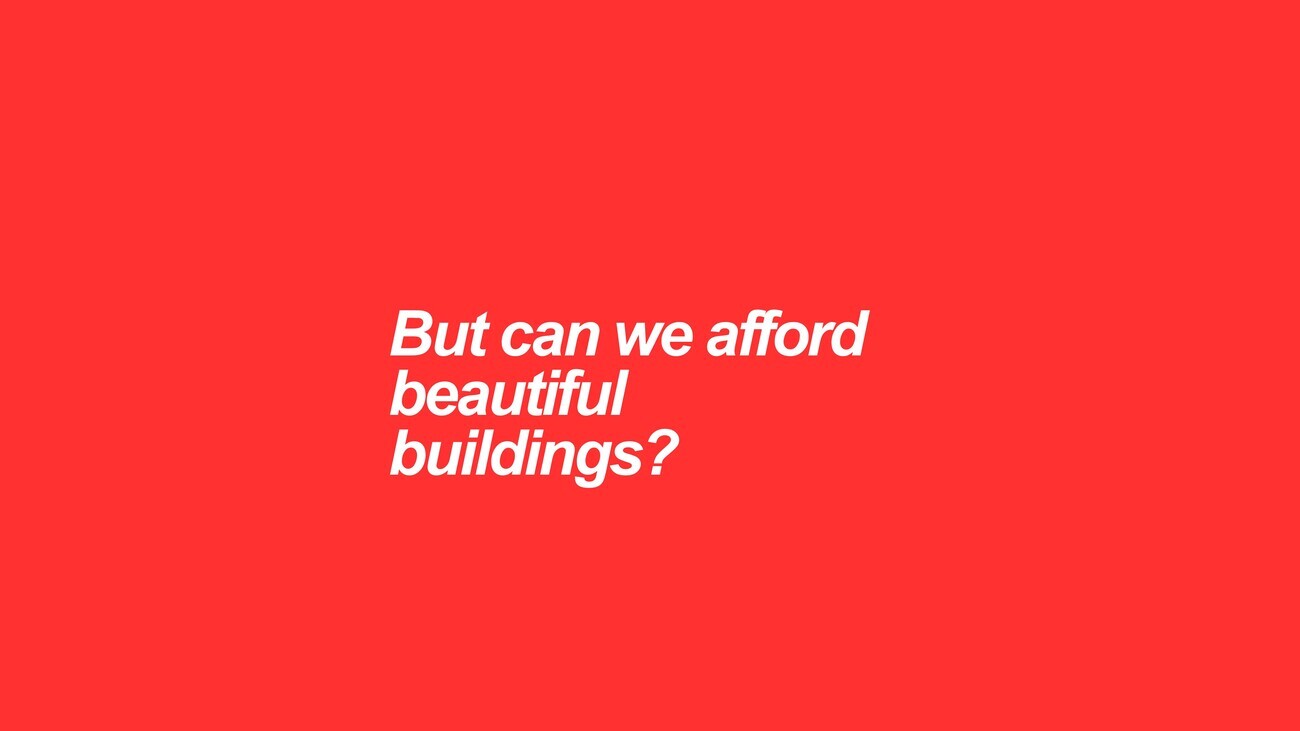
So we can afford how to build good urbanism. We know what the good foundations are, but can we make beautiful buildings?
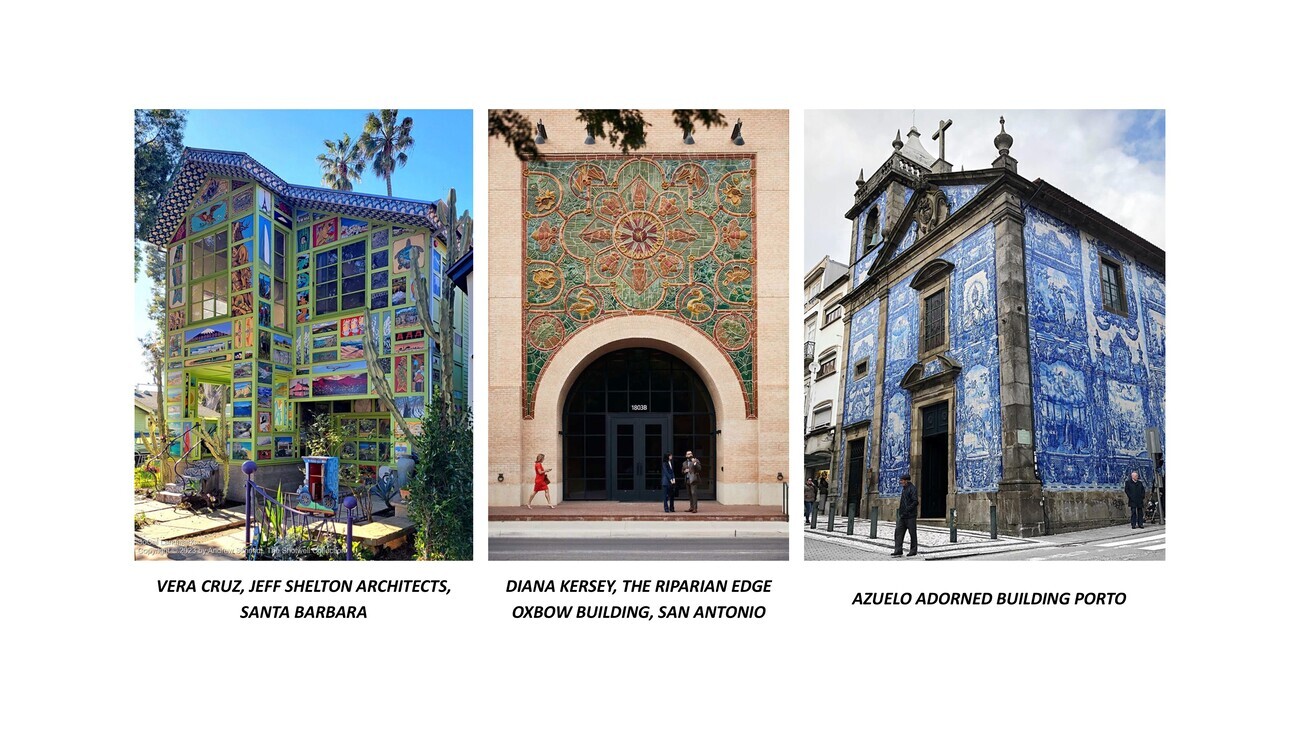
When I give versions of this lecture, I have people stop me afterwards and say, “Well, Coby, this is all a fantasy. You just want to build structures that are adorned with tiles and mosaics and wonderful ornaments.” And I say, “Yeah, I do want that,” right?
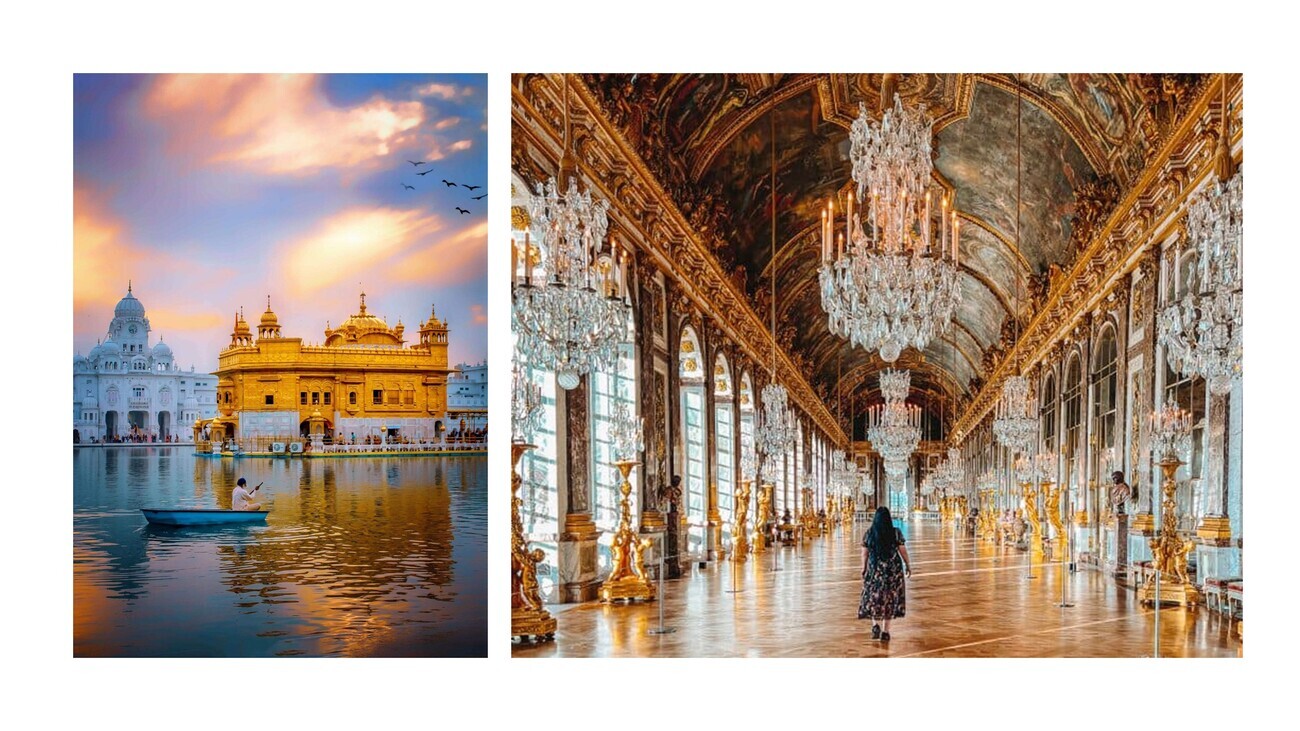
But it’s not like I’m calling for gilded palaces or the interiors to be gilded as well with wonderful mosaics. I mean these are of course wonderful places, but we don’t need to do this to build beautifully.
In order to do that, I sort of pull out an element that we look at as developers or as investors in the built environment and I say, is there one part of a structure that we can spend a lot more money on to get that impact? I call it a tactical ornamentation. So if we tactically look at a facade, and instead of doing an EIFS panel [Exterior Insulation and Finish System], which I’ll show you in a next slide, we opt for brick. It adds a lot more cost to the variable to the singular element, but on the project level it really doesn’t add much, right? It’s nominal. Half a million dollars is a lot of money. I don’t mean to diminish that, but on a project the scale, it really isn’t that much.
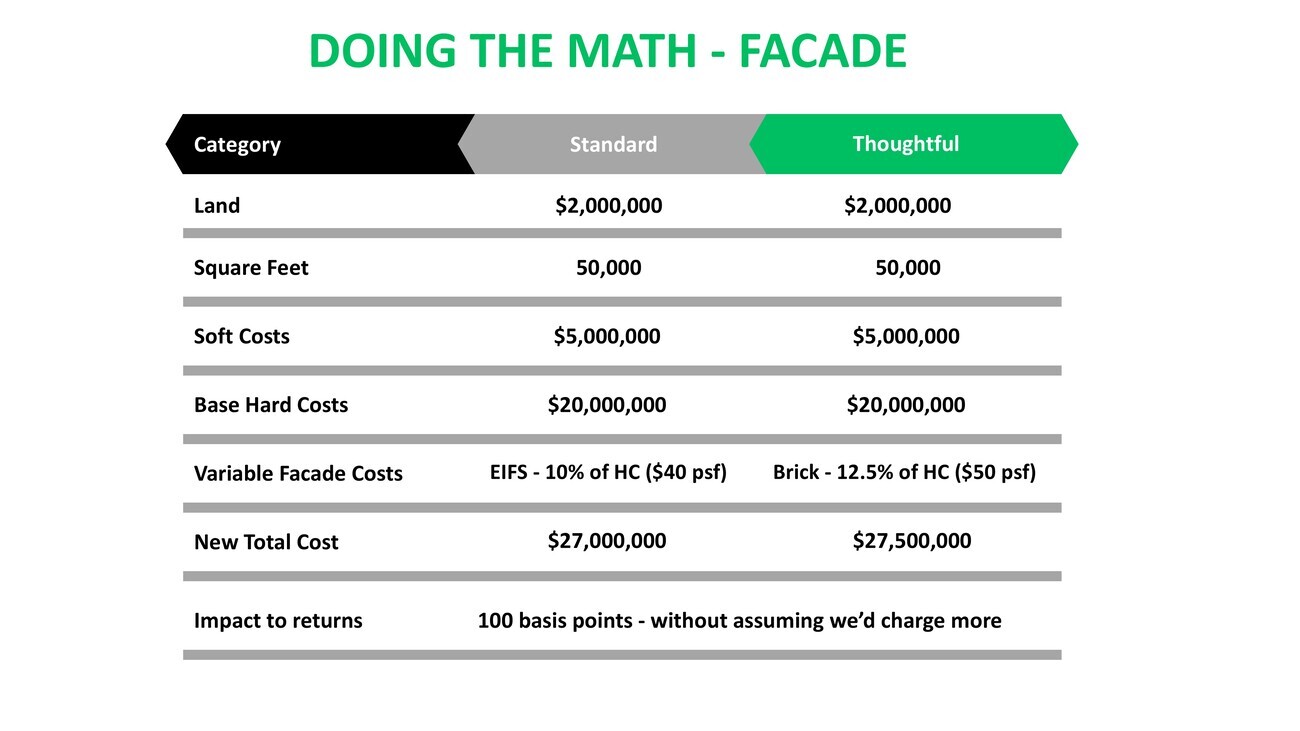
And so for a 25% increase in one variable material, there’s really no impact on returns, and we can have structures that go from looking like this on the left to the one on the right. And I think it’s obvious that the structure on the right is more aesthetically pleasing.
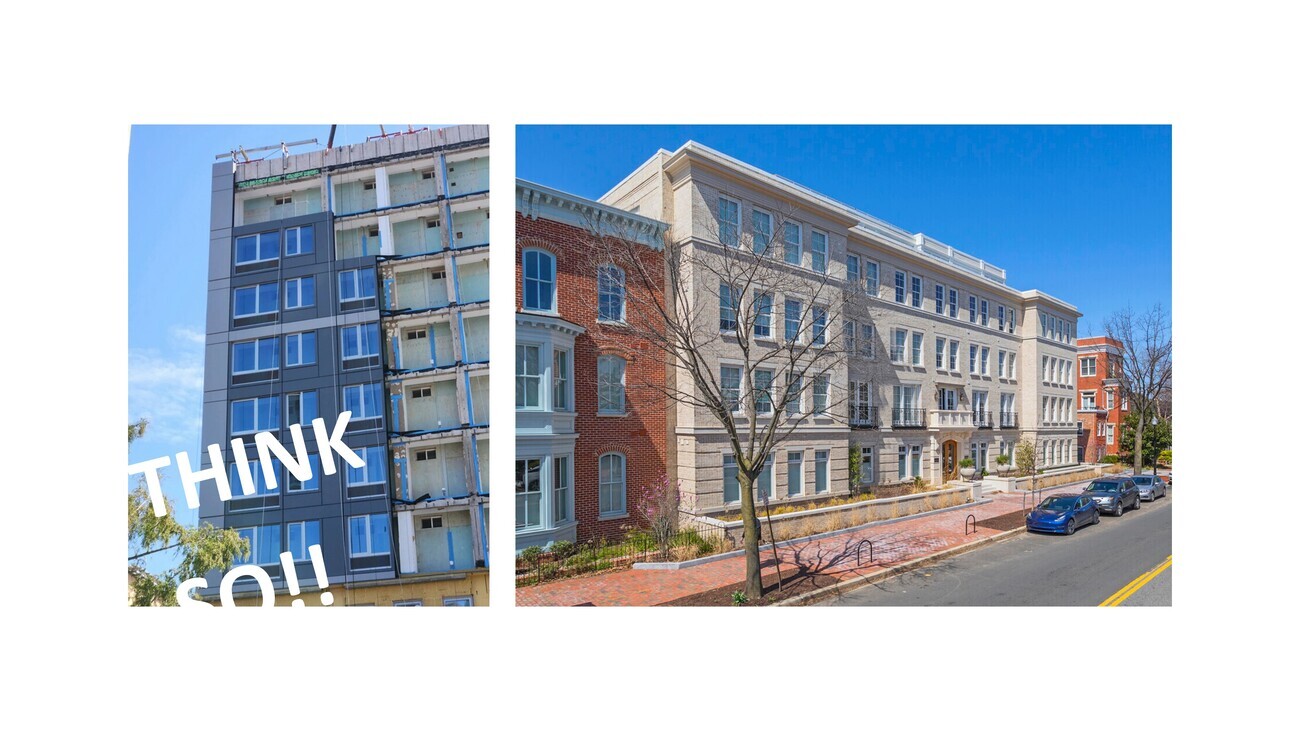
Now there are other considerations why the building on the right might be cheaper. In America, our building codes prescribe that above seven or eight stories you have to change construction code, it becomes far more expensive. But let’s just assume that these things are equal for all intents and purposes. On the right is as affordable as the left. I believe if you’re able to pull certain levels in your financial model.
I think this is worth, you know, a hundred basis point decrease to your model.
But if the facade is too expensive to look at for folks in the crowd, how about we look at something smaller like a front door?
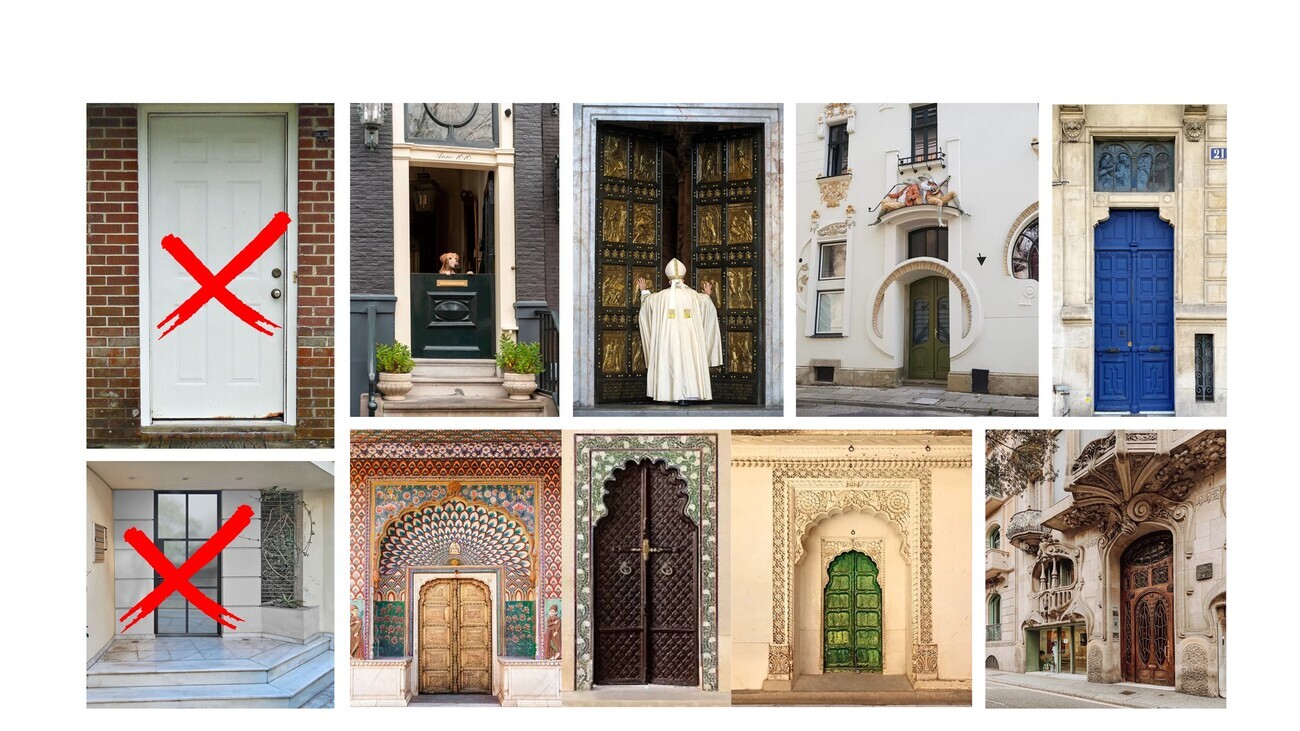
We don’t have to have the overly utilitarian front doors like we see on the left on the bottom left. Maybe they chose to do something a little bit more elevated, but it’s not quite for me. We can tactically spend those dollars so a dog can pop his head out front, right? So the Pope can enter into St. Peter’s. So that we can celebrate these realms of transition that would otherwise be terribly normal.
And so even at the building level we can achieve these great things. It’s just a matter of ruthlessly thinking through them and saying, you know what, I’m going to spend three times as much on a traditional front door and entranceway. And it’s going to cost a lot on my financial model for what I expect a door to be. But in terms of the whole project, in terms of how we feel, it’s going to have a disproportionate impact.
One of my favorite examples to draw on this are two projects that were completed in extremely different contexts. One we have formerly homeless housing in Portland, Oregon.
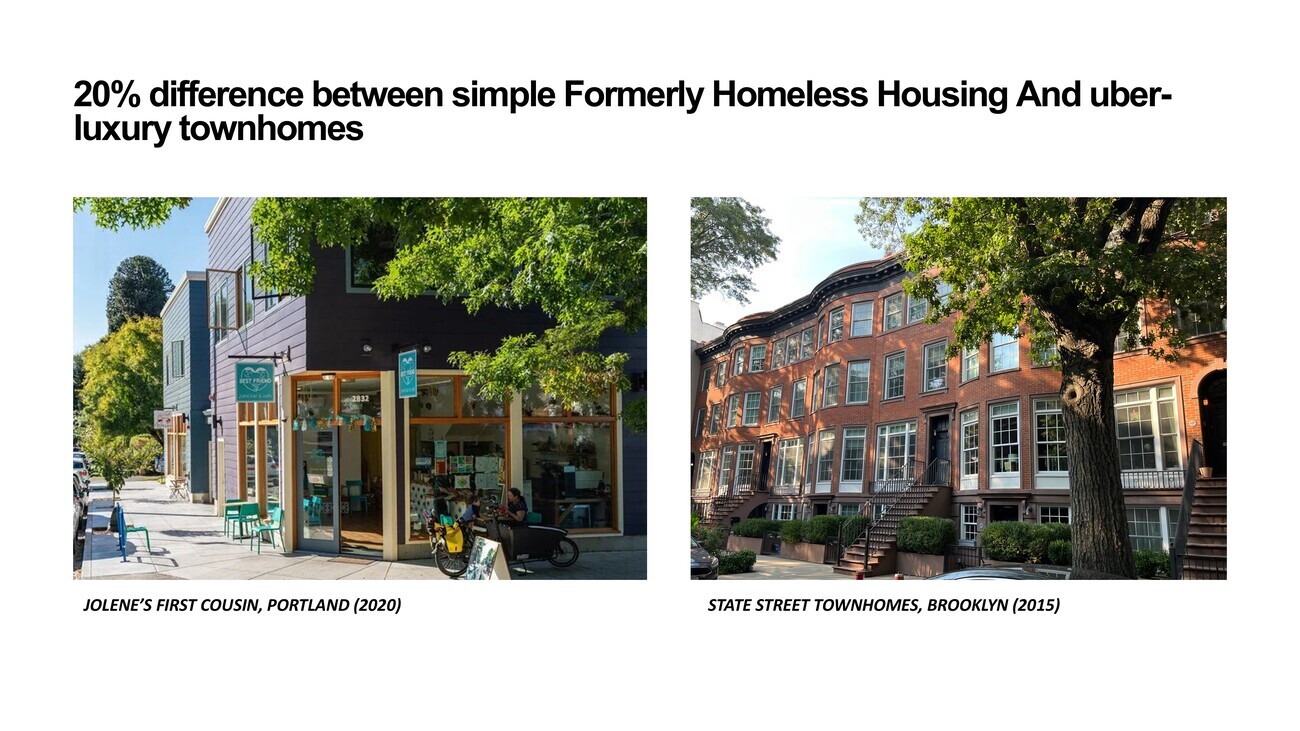
It’s sort of a Pacific Northwest vernacular, relatively simple architecture. I don’t even think it’s clapboard siding, but it’s attractive. And on the right is near my neighborhood in Brooklyn. These are luxury townhomes that were constructed a few years ago.
The cost difference between these two from a materials and construction perspective is 20%. So 20% difference between homeless housing where the rent is about four hundred dollars a month and townhomes that sell for eight million dollars. How is that possible? It’s the land costs. These buildings aren’t actually that different in terms of their constructability. But we sort of distort our sense of what we can do because land is terribly misunderstood in economics.
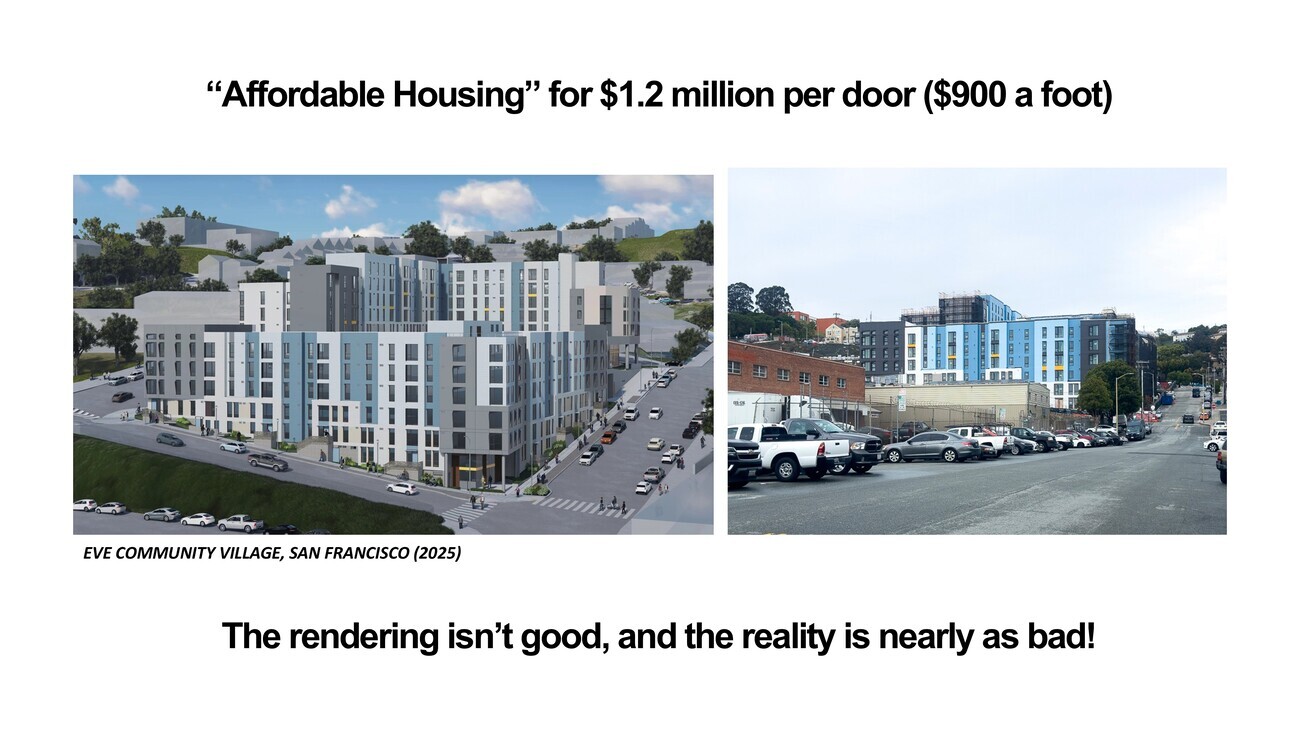
And then we have examples like this where we spend a lot of money for buildings that don’t look very good. And I don’t mean to make fun of San Francisco here. It’s just there’s a number of reasons why this is a very expensive project. But at one and a quarter million dollars per door, nearly a thousand dollars per square foot, it is indefensible why this is costing two to three times more than these wonderful vernaculars. So the rendering isn’t good on the left and the reality isn’t much either. And it’s unfortunate because we spent a lot of money on these.
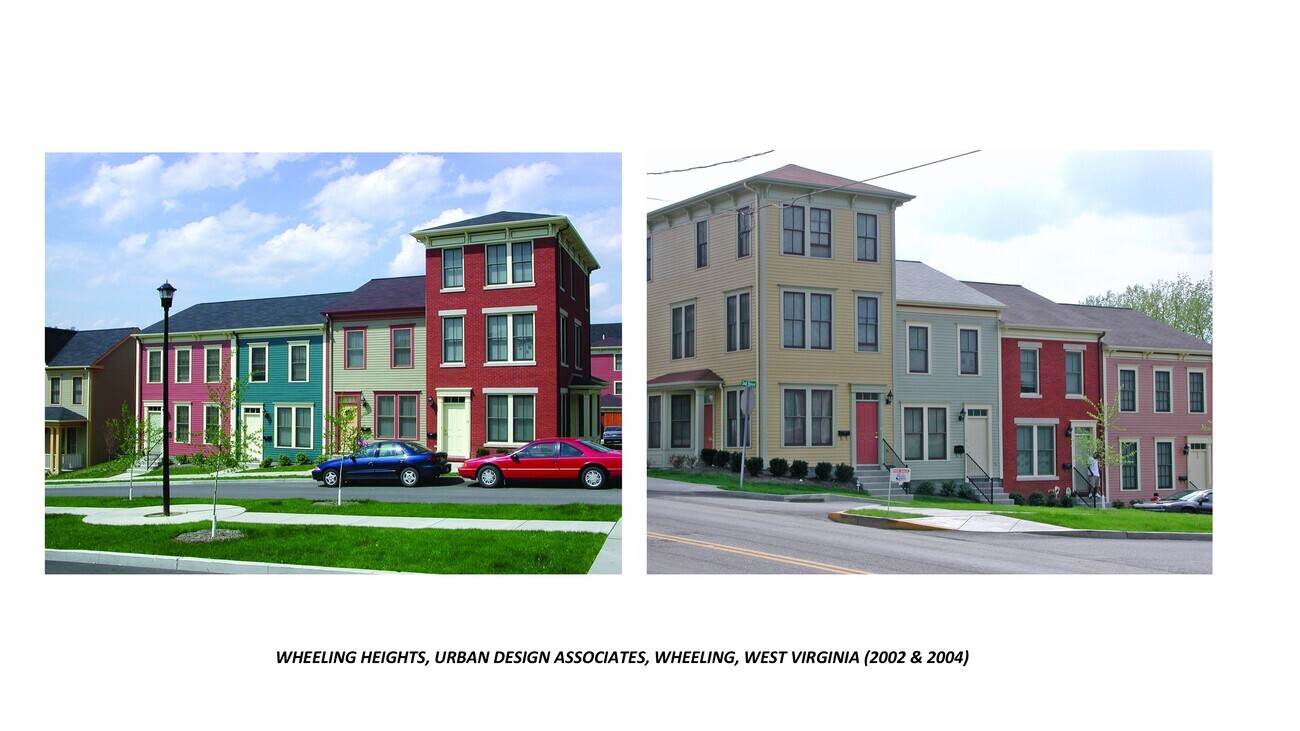
And I’ll finally wrap up by showing perhaps my favorite example in America of building attractive and beautiful places at reasonable cost: public housing in West Virginia. So for those of you who know America, you might know West Virginia by reputation, and for those of you who don’t, it’s sort of a forgotten state in many respects. It has fallen on hard times and has remained on those hard times, and yet they’re building better aesthetically, I think, than much of what we’re seeing in wealthier places like Texas or Tennessee or Arizona that are leveraging billions and billions of dollars towards infrastructure and construction. And they’ve yet to surpass the quality of public housing in West Virginia. And these were built for about a hundred thousand dollars per unit, so extraordinarily affordable, but very pleasing and attractive.
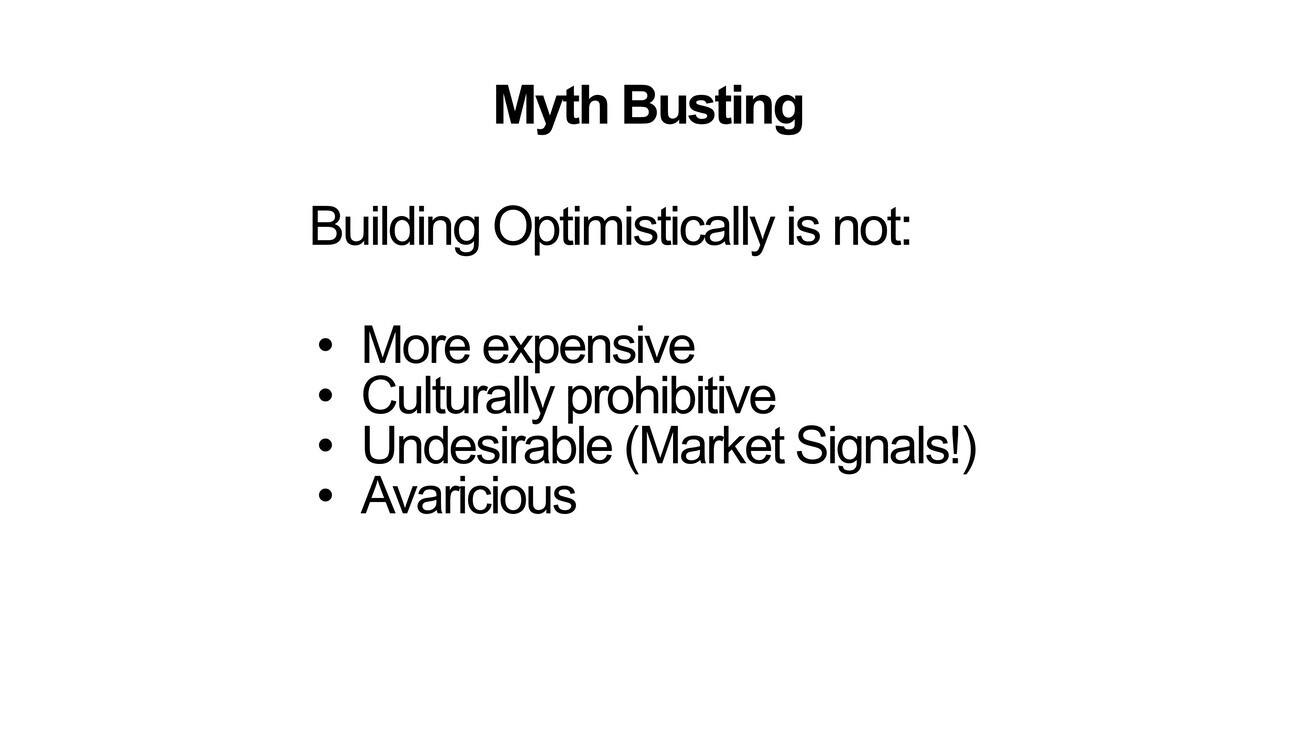
So just to wrap up, building optimistically in these ways that marry the romantic with the pragmatic. It’s not more expensive. It’s not culturally prohibitive. It’s not undesirable. Places like Brooklyn Heights or Back Bay, Boston, which has been invoked a couple times today, are some of the most beautiful places in America. The market knows this, the market pays up for it, and it’s not due to developer greed, but maybe we’ll leave that one for questions and conversation afterwards. It’s a little bit of a provocation to leave you with.
So if we know that we can afford beautiful cities from a foundational perspective, and we can afford them from an architectural perspective, what other choice do we have than to build beautifully?
And with that, I thank you for your time.
Réutilisation
Citation
@inproceedings{lefkowitz2025,
  author = {Lefkowitz, Coby},
  publisher = {Sciences Po Rennes \& Villes Vivantes},
  title = {Quel est le coût de la beauté\,?},
  date = {2025-09-18},
  url = {https://papers.organiccities.co/quel-est-le-cout-de-la-beaute.html},
  langid = {fr}
}