

Bonjour, merci beaucoup. Thank you for having me. Given that I’m all that stands between you all and lunch, I’m going to start a timer! Thank you to the organizers for inviting me, and thank you for your patience with my English. I spoke a little bit of French to a French colleague yesterday, and he suggested I might be better off speaking in Spanish. So we’ll go with English instead…
The title of my talk is “ Your City Should Not Exist ”. At first blush, that’s a pretty bizarre thing to say at an urbanist conference, and certainly a pretty rude thing to say to anybody in particular. But work with me here, because I think understanding this fact is necessary to understanding the real work that it takes to build great cities.
Earlier this year, I moved to Sacramento, California, and being an urbanist geek like most people in the room, I proceeded to read every urban history available. Has anybody heard of Sacramento? A few people? Okay. I always say California is like China. There are a bunch of major cities that none of us have ever heard of. But Sacramento is the capital of California that’s got 2.3 million residents. Like many great river cities, we have a pyramid. It’s an office tower. It doesn’t look very good, but in any case…
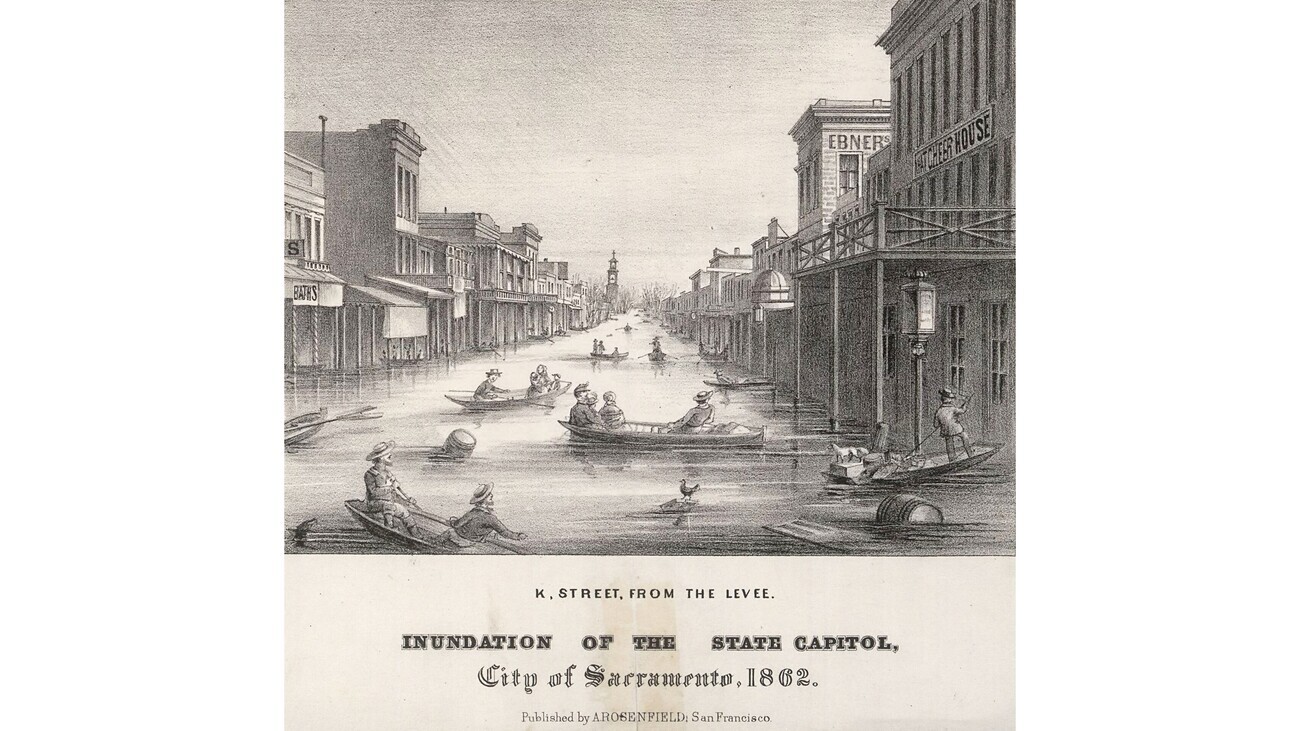
The early history of Sacramento is brutal. Nearly as soon as European settlers arrive in 1849, a flood completely wipes away a few years of construction. Things didn’t get much better after that. In 1850, a cholera epidemic either kills or displaces 80% of the city. In 1852, a fire burns down nearly every wooden structure, which was virtually all of them. And then in 1862, ten years later, basically all of the rebuilding progress that had been made was wiped out by a thing called the “ Great Inundation ”. You do not want something called a “ Great Inundation ” to happen to your city.
The conclusion of these histories is nearly always that Sacramento shouldn’t exist. There shouldn’t be a city there. This area periodically floods. It periodically burns down, et cetera, et cetera. And nature will continue to punish us until we learn this lesson.
Urban historians, certainly in the United States and across the world, love to tell stories like this. If you say anything nice about Miami, a city where nearly 7 million people live, you’ll be told, “ *Oh, that’s going to be underwater in ten years “. If you say anything nice about Phoenix, you’ll hear the opposite story, that they’re not going to have any water in ten years. The self-satisfied conclusion of these stories is always the same, that no city seems to have a right to exist.
I just spent five years living in Los Angeles, California, and we are positively obsessed with that story. Tell somebody that you live in Los Angeles, and they’ll impolitely run through the bill of offenses. The city’s a desert. It’s not really a desert, but in any case…
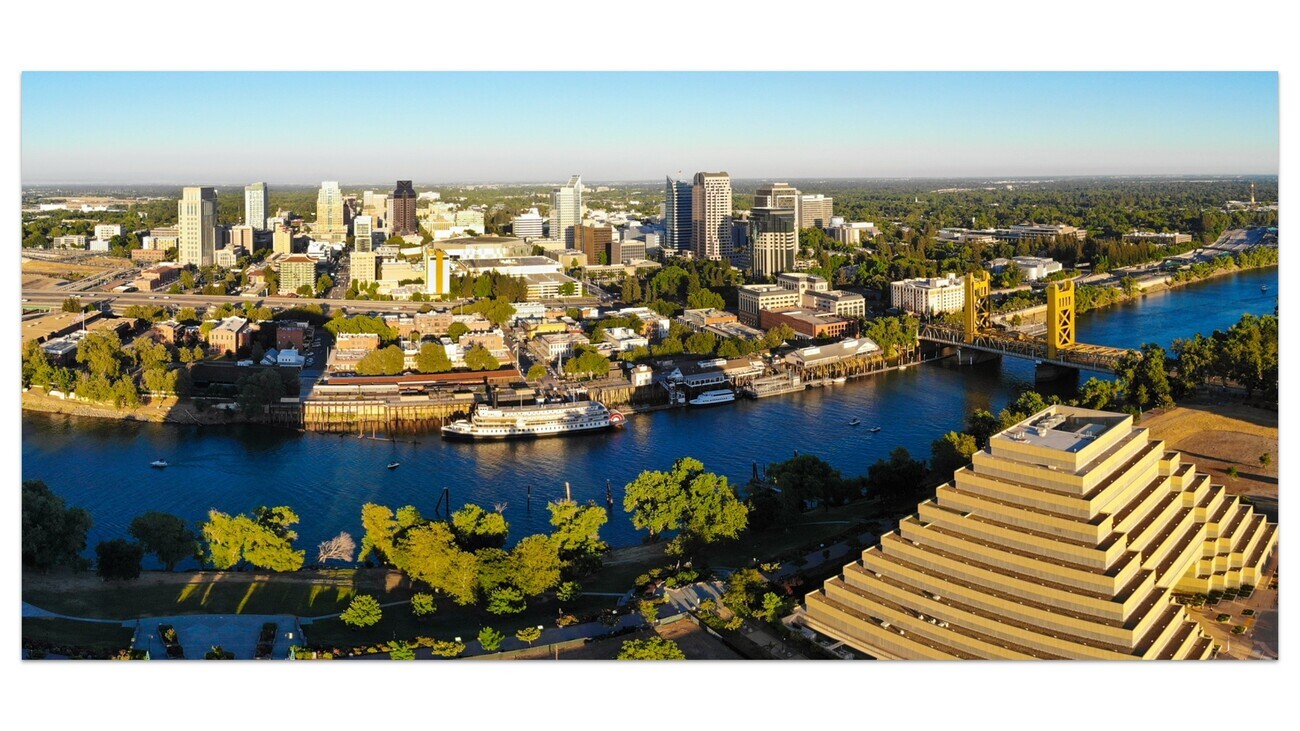
This is Sacramento, with our fantastic pyramid. It’s actually not ancient.
Below, the Great Inundation. This is not Venice. This is Sacramento in 1862.
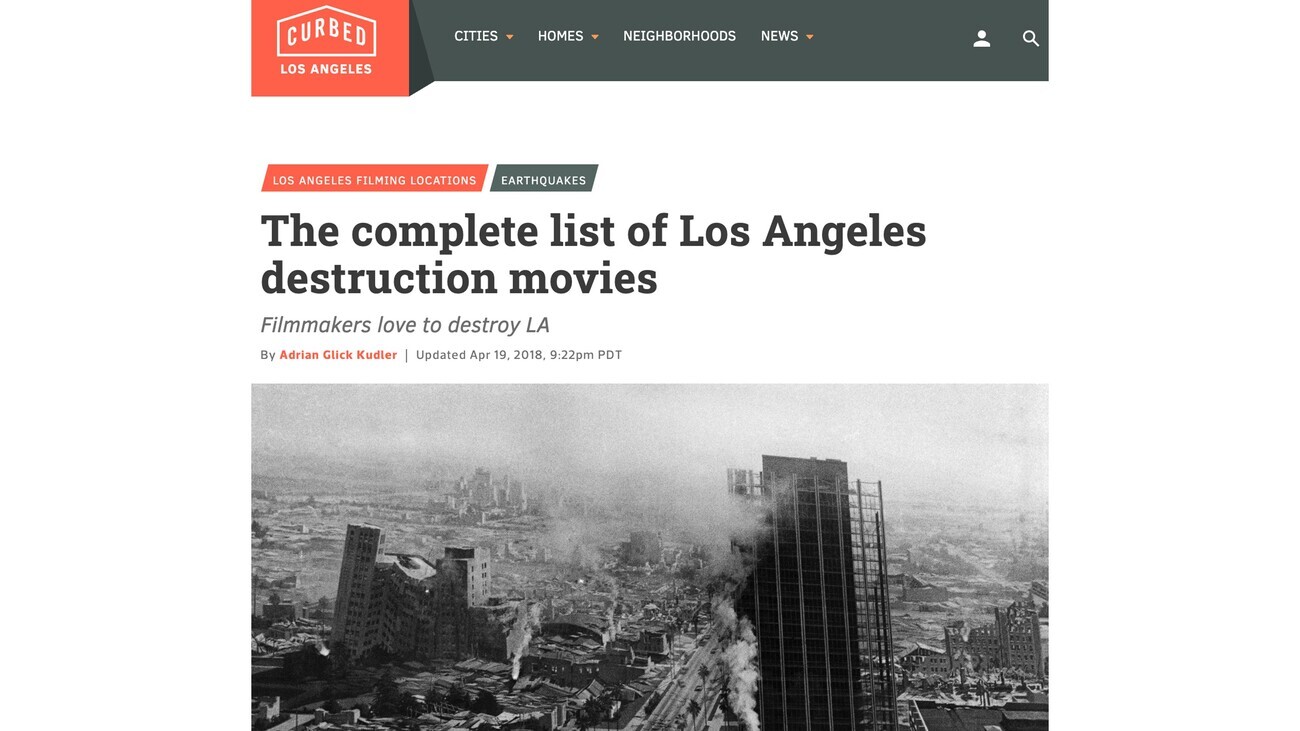
Given that Los Angeles is the home of Hollywood, we love to reflect this belief in film. There are hundreds of films about, essentially, the destruction of Los Angeles. Indeed, there was actually a recent article in a major film criticism outlet in the United States noticing this as a discrete genre of the destruction of Los Angeles, nearly always riffing on the hubris of the alleged people who built it.
Of course, that’s silly. There’s a reason why 13 million people live in Los Angeles, as in nearly every city. It’s a little slice of paradise. It’s got perfect year-round weather. It’s hemmed in by mountains and beaches. It’s got a bunch of place-based industries that aren’t really going anywhere.
But these critics are right in at least one sense, which is that no city necessarily exists. We humans don’t build cities as part of a biological imperative. I think we often think of cities like anthills or beehives, but we don’t naturally build cities.
Homo sapiens have been around for approximately 350 000 years, and according to archaeological evidence, the first cities don’t start existing until around 10 000 years ago. Maybe we’ll discover Atlantis and we’ll update that, but as far as we’re aware, the first cities started emerging 10 000 years ago. That might seem like a long time from now, but in the span of 350 000 years of history, that’s a really, really long time.
From the beginning, cities have nearly always been in some of the worst places. We don’t build cities in Gardens of Eden. On the contrary, it seems like the first cities started to emerge in what we once called the “ Fertile Crescent ” in English, and now we’re starting to call it the “ Fragile Crescent ”. This is a region defined by floods, plagues, fire. If you’ve ever read the Bible, you kind of know the story there. If cities like Jericho shouldn’t exist, then what’s to say for the rest of our cities that they should exist at all?
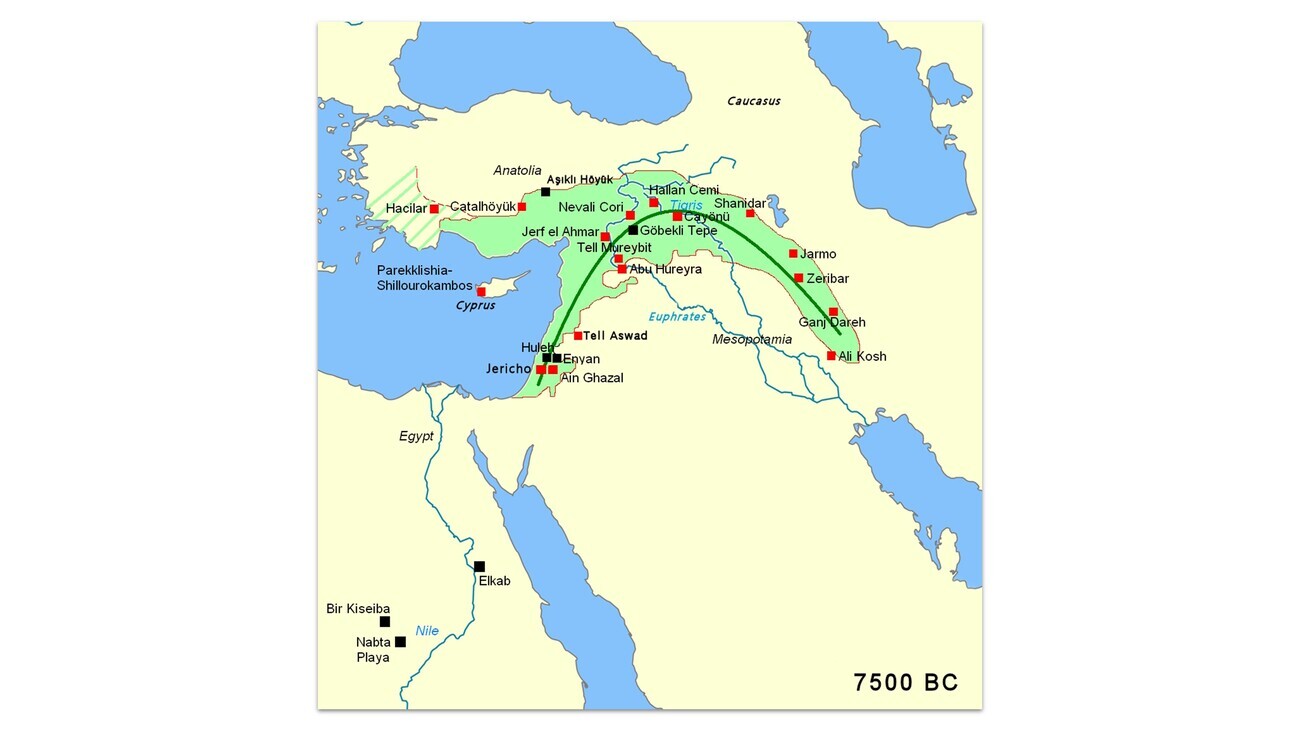
When cities have been around for a long time, we take an “ immaculate conception ” view of them. We think of them as almost naturally existing. They’ve always existed. Cities like Rome have always existed. But if you peel back even a little bit of the urban history on a typical city, you find that every city has some sort of crazy origin story for why it shouldn’t exist.
In Mexico City, Tenochtitlan was built on a lake. Of course, the greatest of all cities, Rome, is dependent on a vast system of national aqueducts to keep the city supplied with clean water. Nearly every major city has required some sort of major planning and engineering projects, both of the top-down and bottom-up variety. It’s true of Venice, built on a lagoon. True of Tokyo, built on a vast floodplain. True of Paris, which required, of course, enormous amounts of modern reinvention to get the modern city.
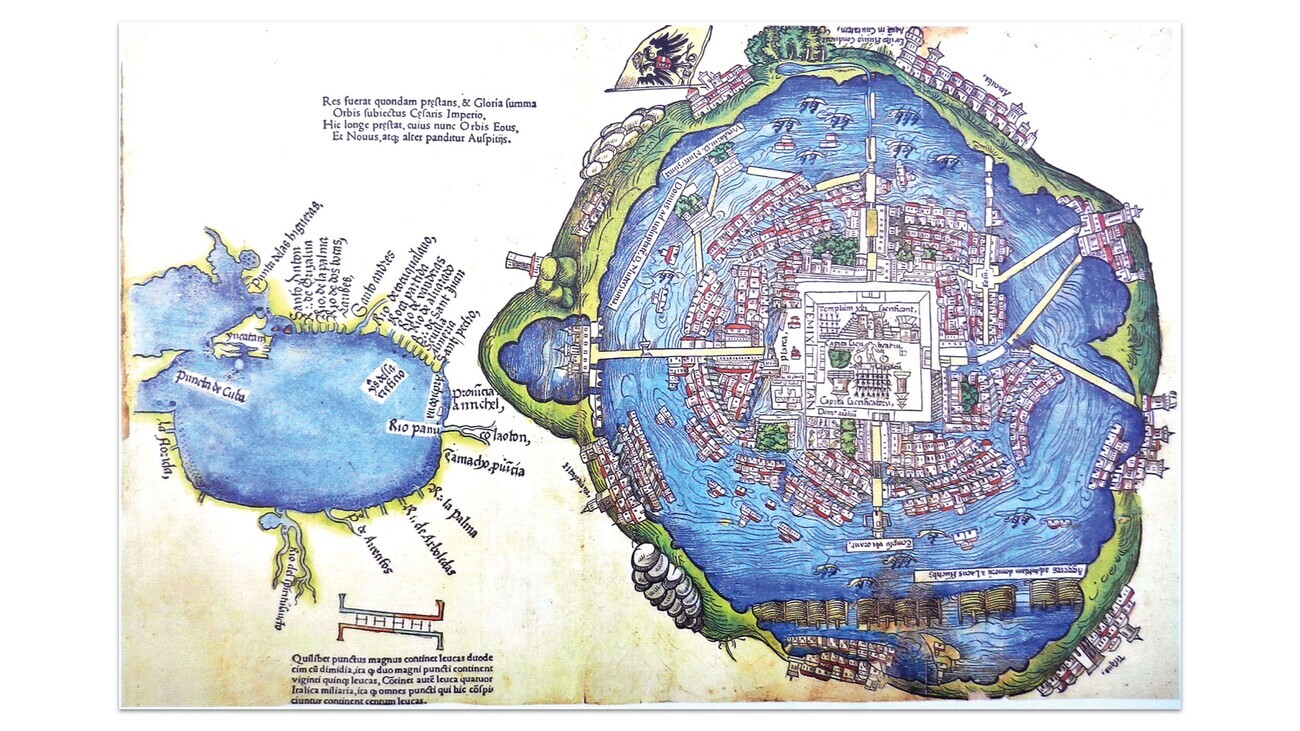
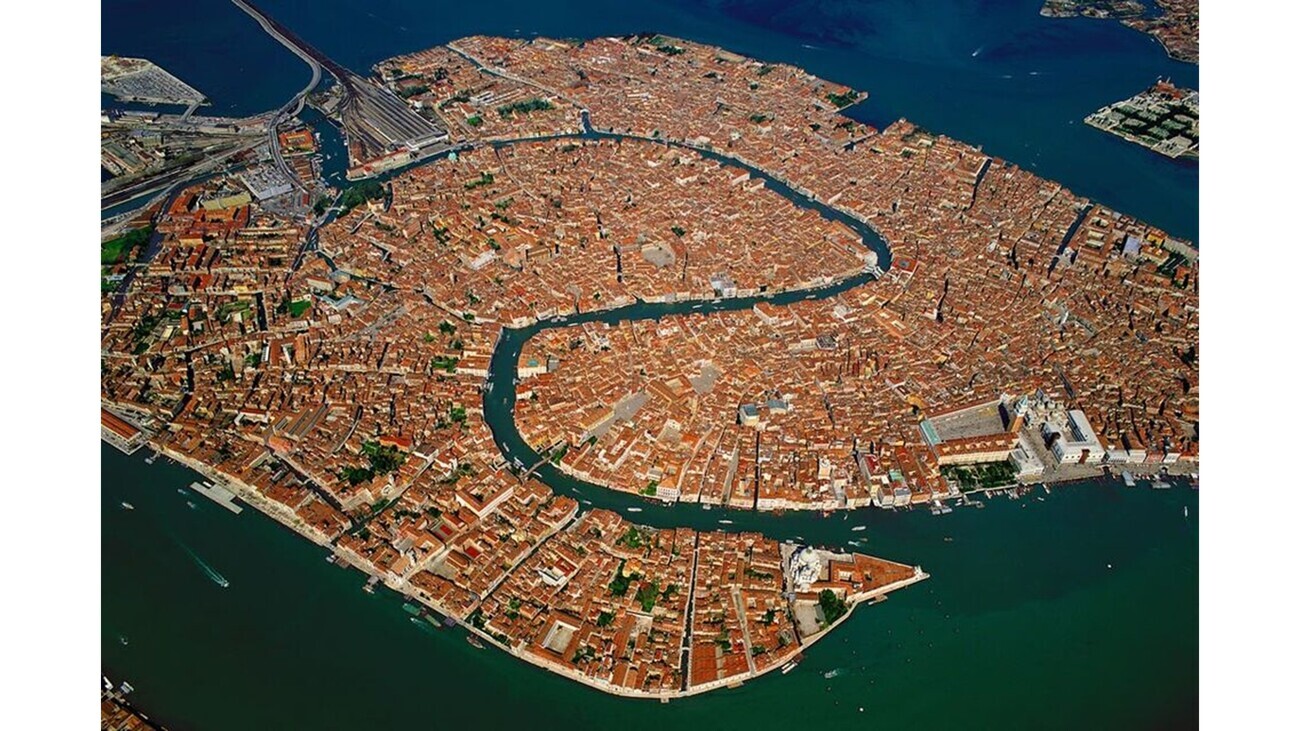
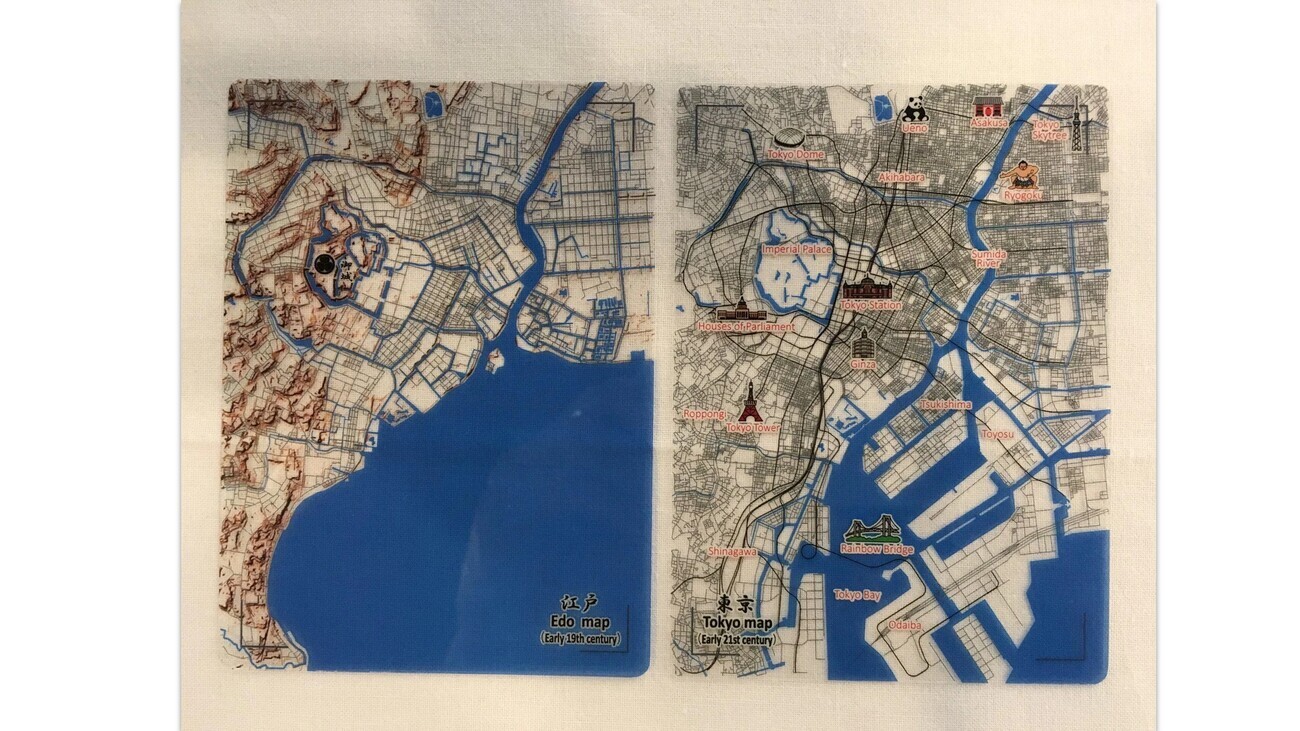
Is Boston inevitable? I think a lot of Americans would say, “ Well, Boston makes a lot of sense. It’s a major city in the Northeast, one of the most densely settled parts of the country. It’s got a natural harbor ”. Sixty percent of Boston today was once underwater. The airport, the waterport, nearly all of its most iconic neighborhoods, including the Back Bay, would have once been underwater. Building modern Boston was an enormous public works project.
Perhaps Manhattan always should have been a great city. New York City always should have been a great city. But if it’s the case that no city deserves to exist, it’s certainly the case that no city deserves to be a great city. Would New York City be a great city without billions of dollars in public infrastructure to keep the city supplied with water? Would New York City be a great city without the Erie Canal? Would it be a great city without vast efforts to build one of the world’s largest street grids and Central Park?
Even Chicago, which is often called by urban historians our natural city, as the anchor of the Midwest, at one point one of the most productive regions of the world, there might have always been a city there, but it was hardly inevitable that it was going to be a great city. Chicago was only one of many cities that were concurrently vying to be the great city of the Midwest. And Chicago won out because place-based entrepreneurs successfully competed to have Chicago be the terminus of multiple rail lines.
Why did Sacramento win out to become the great city of inland northern California? It’s easy to tell a “ just-so ” story. When the city exists, it’s always easy to go back and tell a story for why it was inevitable that that city had to be the great city. It’s on a flat, featureless plain. It’s halfway between the fields of the Gold Rush and the San Francisco Bay. But dozens of other cities fit the bill. It could have been, and the capital was at various points, Monisha, Monterey, Vallejo. And yet those all ended up smaller cities, in many cases suburbs of other larger cities. And Sacramento is one of our state’s five great metropolises.
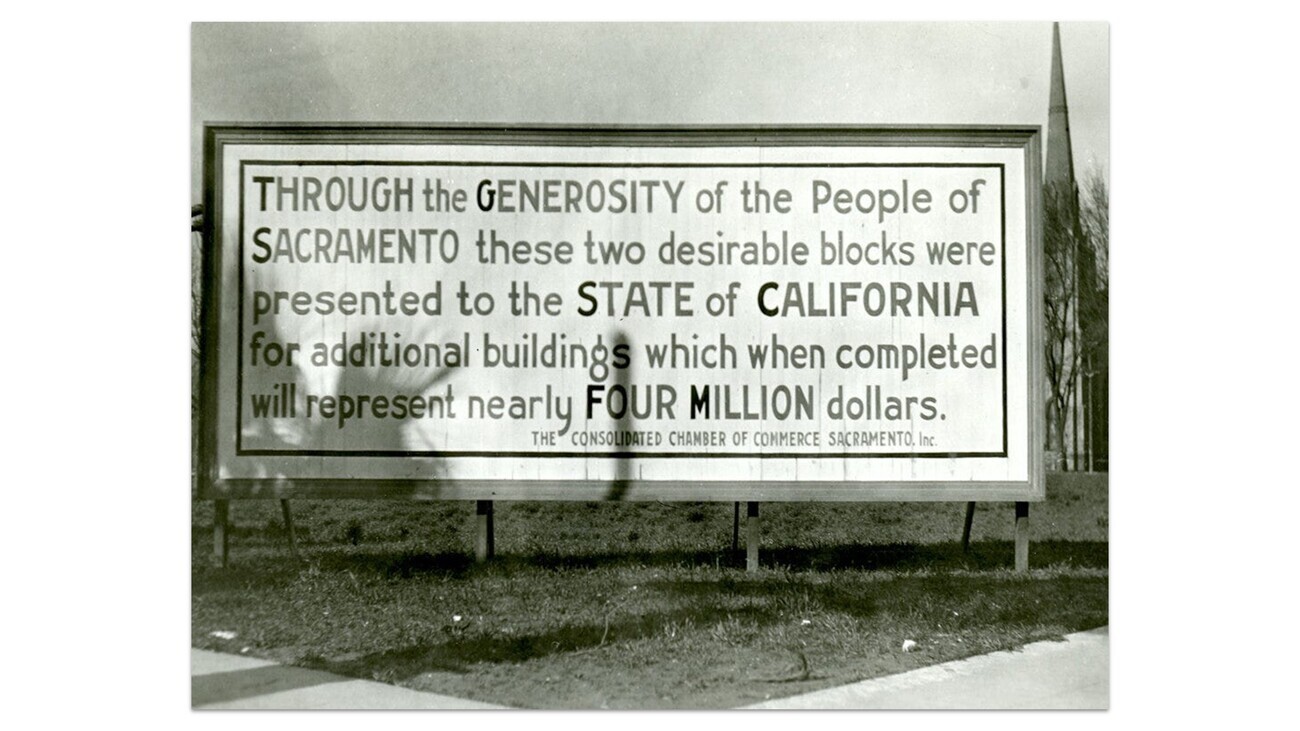
Why did that happen? It happened because our place-based entrepreneurs fought for capital. They fought hard to bring, literally, the capital, to the city. They fought hard for the state fair. They got the western terminus of the American Transcontinental Railroad. And they did so by donating significant amounts of land to the state. Because billions of dollars were spent turning fields in the Central Valley into the fruit basket of North America, a boom that ultimately built up Sacramento. Because we planned out, not unlike New York City, a vast street grid to accommodate significant amounts of growth and turn Sacramento into a major metropolis.
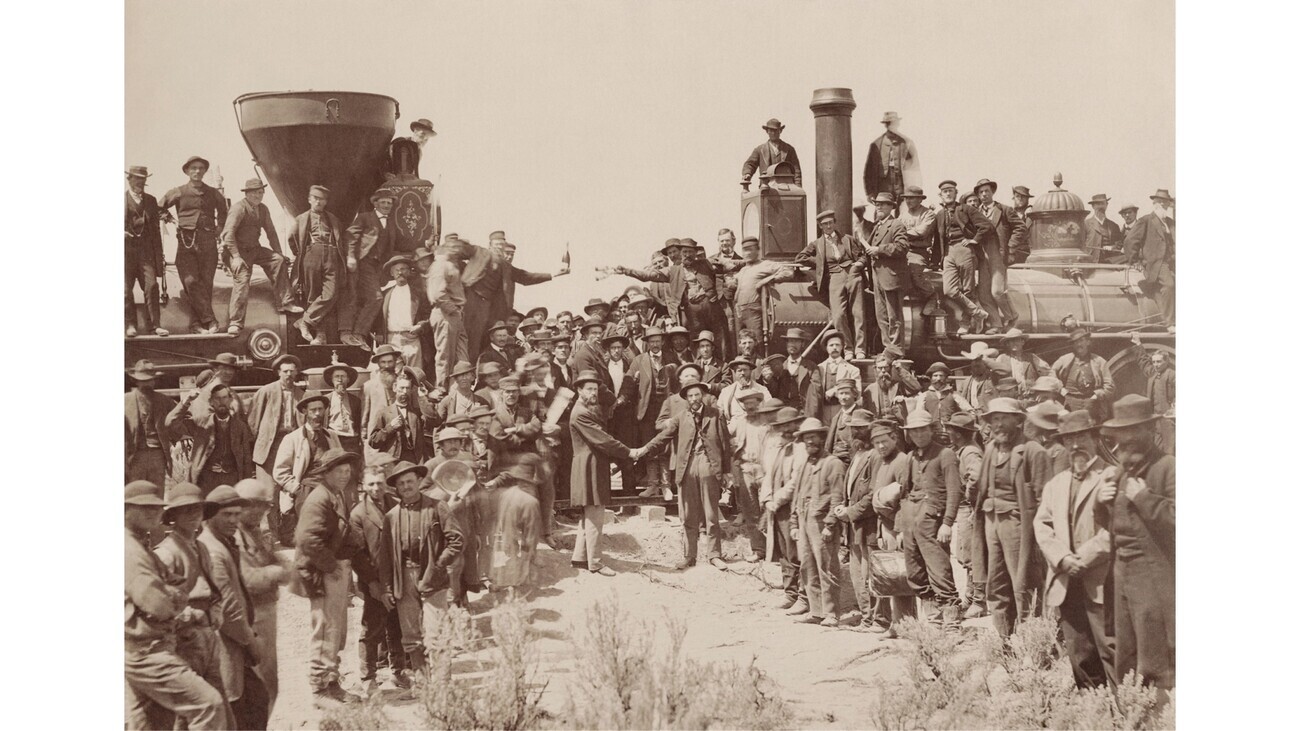
In the West, and by West, I don’t just mean California or the American West, but in the broader sense, we don’t like stories like this. We imagine a pastoral ideal that can only be despoiled by human artifice. Cities must exist. We like to pretend like they were things that naturally emerged out of the natural order. It was going to happen anyway. But they’re not. And that’s okay.
Cities exist not because they’re inevitable, but because 10 000 years ago we discovered that all of the great things in life flow from great cities. And we’ve compulsively been building them all around the world ever since.
I find that planners and urbanists in the East, in East Asia, certainly generally understand and appreciate this, perhaps because the experience of building great cities is so fresh in East Asia, including the challenges that it entailed. And the fruits are clear. We don’t need to apologize for the unnaturalness of cities.
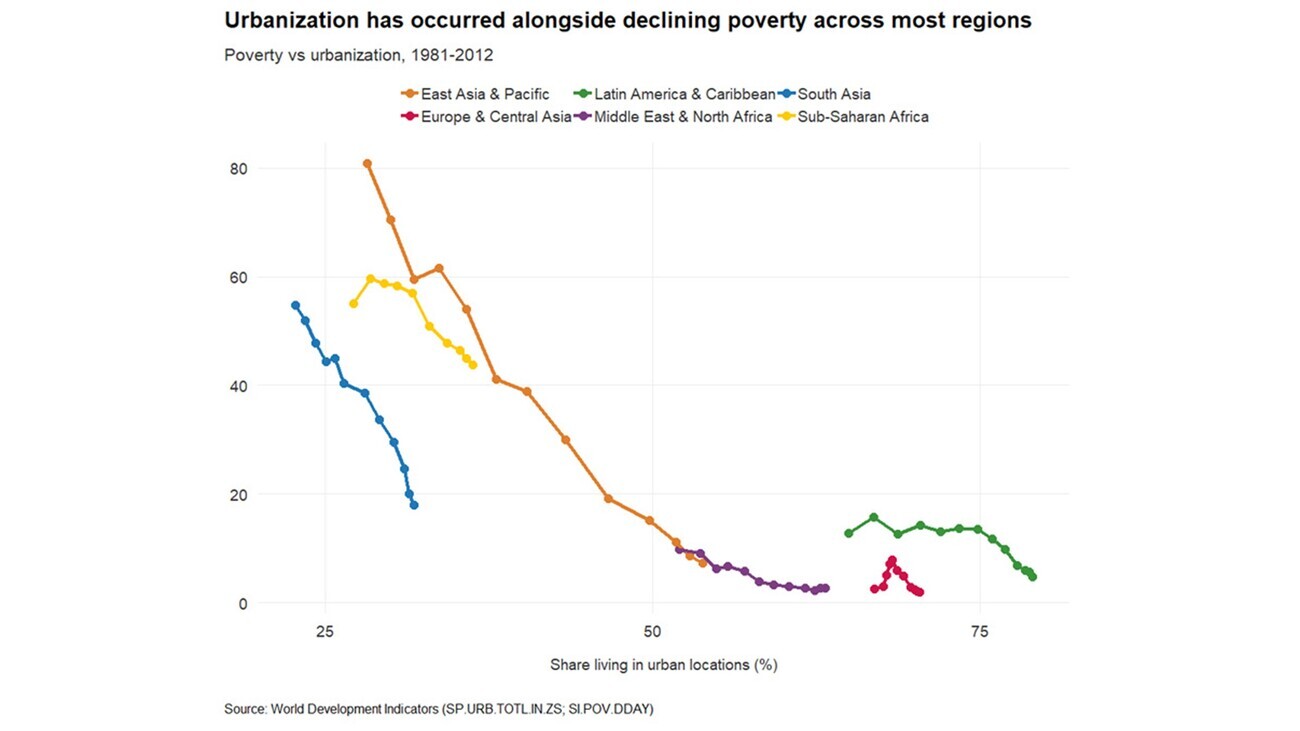
In the past 100 years, the global spread of urbanization has coincided with the most dramatic reduction in human poverty in all of history. And this is dependent on the construction of great cities. Across every aspect of life, humanity’s greatest achievements have flowed from gathering many thousands and eventually millions of people into one place. The intellectual renaissance of Athens and Edinburgh, artistic flowering of places like Florence and Harlem, technological leaps in places like Shenzhen and Silicon Valley.
The rising YIMBY movement (of which I’m a small part) started in Sacramento, started in California, slowly spreading around the world – it’s had early initial salience in, I think, parts of the world, the Anglosphere, not just because we all have a common language, but also I think we have a sort of shared cultural baggage of resenting and disliking our own cities that maybe isn’t quite so potent here. But it’s spreading.

The genius of this YIMBY movement is that it flips the script. We stop thinking about cities and housing production in particular as forms of pollution, as things that we have to manage or allocate around, and it turns them into desirable outcomes.
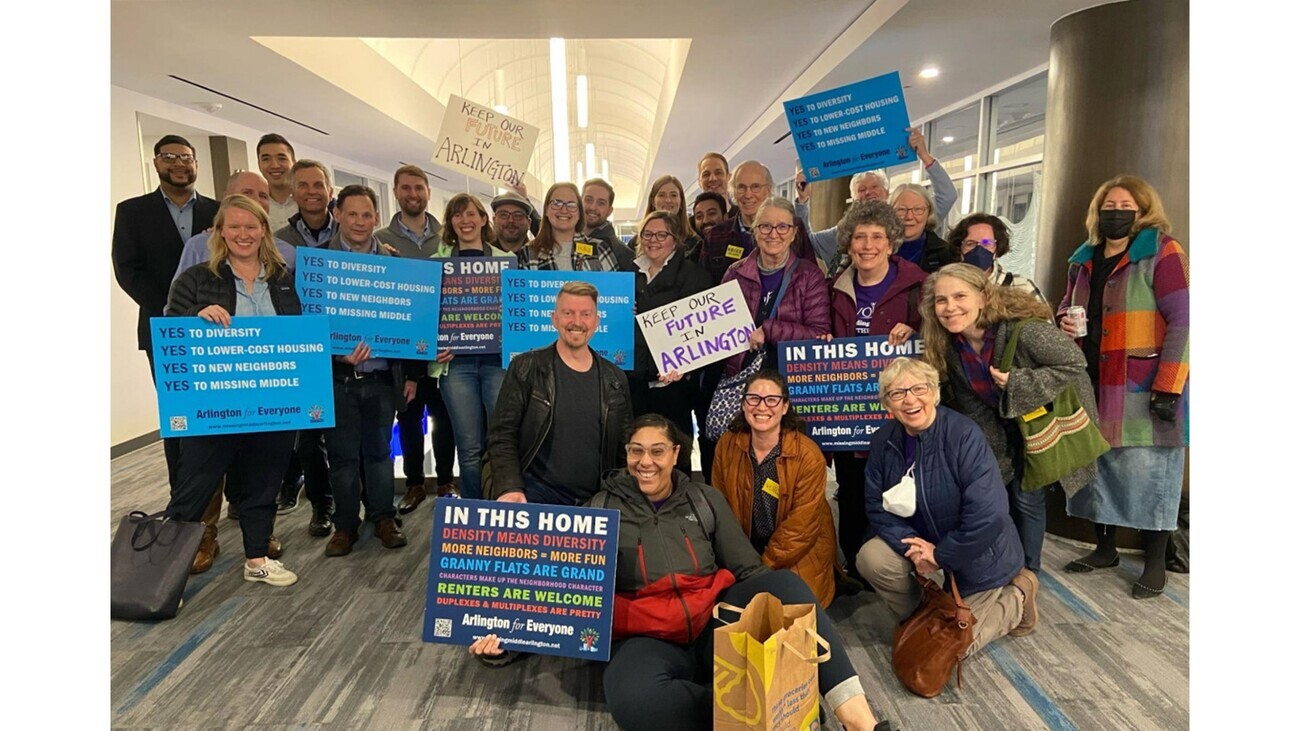
When we pivot to a default position of yes, of accepting that building a great city is an affirmative decision, it’s something we have to voluntarily opt into and then put the work into, we recognize urbanism as a choice. The question goes from how do we block neighbors or how do we manage stagnation and decline to how do we build up our cities and make room for more neighbors.
Over the past few years in California, I think we’ve been the start of a global shift on thinking about cities in this regard. This bottom-up movement of something on the order of 100 000 activists have taken actions large and small. They have attended public hearings. They’ve passed state and local legislation. They’ve tabled at farmers’ markets. They’ve run for office to varying degrees of success. We’re flipping the narrative and starting to ask ourselves for the first time, how can we make room for everyone?
So the conclusion isn’t really strictly speaking that your city shouldn’t exist. Rather, it’s that we can’t take them for granted. To the extent that cities are not natural and we nonetheless urgently need them, this is a call to action to the folks in this room and the folks that you work with to join us in saying yes, to be a part of this global YIMBY movement and to put in the work to defy the odds and build the next generation of great cities.
Thank you.
Réutilisation
Citation
@inproceedings{gray2025,
  author = {Gray, Nolan},
  publisher = {Sciences Po Rennes \& Villes Vivantes},
  title = {La ville dans laquelle vous vivez ne devrait pas exister},
  date = {2025-09-18},
  url = {https://papers.organiccities.co/la-ville-dans-laquelle-vous-vivez-ne-devrait-pas-exister.html},
  langid = {fr}
}